Hey, have you noticed how the Rolling Tool Cart scene is really changing these days? According to a recent report from MarketsandMarkets, it’s expected to hit about $1.5 billion by 2026, which is pretty wild. It just shows that folks are really looking for better, mobile storage solutions for their workshops and garages. I mean, who doesn’t want an organized space, right?
More and more professionals are on the hunt for efficient storage options that actually work for their workspace. The cool thing about rolling tool carts is how versatile they are—they seriously boost productivity. But here’s the thing: not all brands offer the same quality. Some cheaper options might seem tempting at first, but they often fall short when it comes to durability. That’s a bit of a red flag if you’re planning to rely on it long-term.
As the industry keeps innovating, features like modular designs and smart storage solutions are becoming quite popular. Still, companies need to find that sweet spot between price and what the cart actually offers in terms of functionality. And hey, as a consumer, it’s smart to do your homework. Picking a reliable rolling tool cart that fits your specific needs isn’t always straightforward, but knowing what’s out there can really help you make a smarter choice.
Top Innovations in Material Design for 2026 Rolling Tool Carts
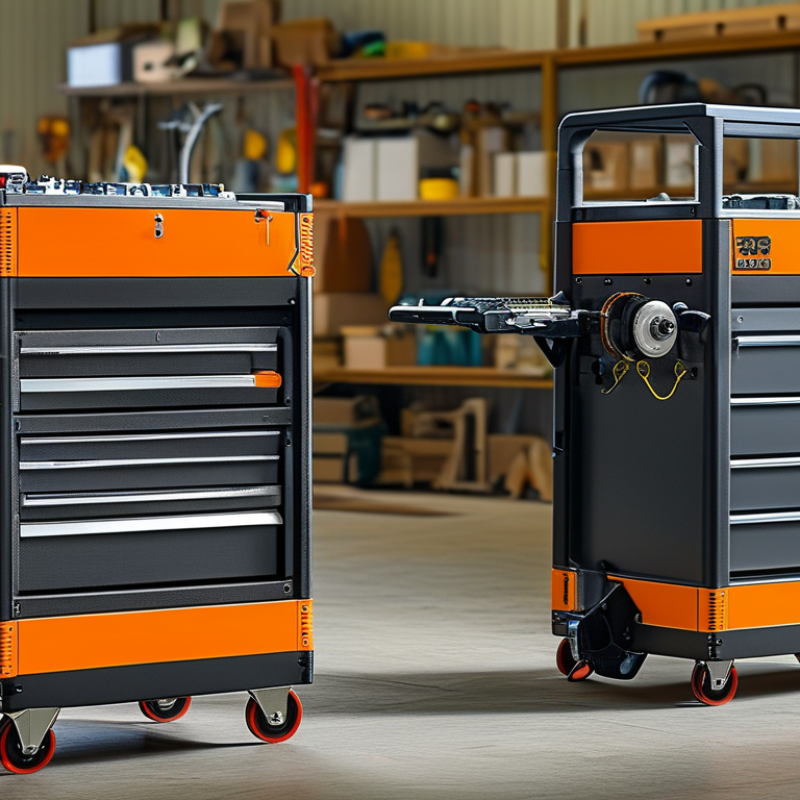
As we look ahead to 2026, rolling tool carts are evolving with innovative materials that enhance functionality and durability. Manufacturers are focusing on lightweight composites that withstand rigorous use. These materials reduce the overall weight of the carts, making them easier to transport without sacrificing strength.
Another exciting trend is the integration of smart technology. New designs include built-in sensors that monitor the weight of tools stored inside, ensuring optimal loading. This innovation helps users maintain a balanced load, which can enhance maneuverability on various terrains. However, it is essential to weigh the trade-off between technology and mobility; complex designs may complicate maintenance.
To maximize the utility of a rolling tool cart, consider your specific needs. Assess the tools you regularly transport and choose a design that prevents wear and tear. Look for a cart with customizable storage options to keep everything organized. Lastly, stay updated on material advancements, as they can significantly impact your cart's performance and longevity. Investing in quality materials could save you from frequent replacements.
Impact of Automation on Rolling Tool Cart Functionality in 2026
In 2026, the evolution of rolling tool carts is heavily influenced by automation. Enhanced technology allows for smart features and easier management of tools. Imagine a cart that can inventory your tools and notify you when items are low. This functionality is changing the way professionals approach organization and efficiency.
Maintaining your cart's functionality in this tech-driven age requires some attention. Regularly update any software integrated into the cart. Just because the cart can function independently doesn’t mean it shouldn't be checked for updates. Additionally, ensure that the sensors or tracking devices are clean and operational. A malfunctioning part can disrupt your workflow.
Every tool cart is an investment. You may feel tempted to skip maintenance in favor of immediate tasks. However, neglecting these responsibilities can lead to bigger issues later. A well-maintained cart not only supports daily use but also extends its lifespan. Always prioritize simple tasks to keep your tools and cart in tip-top shape.
Sustainability Trends in Rolling Tool Cart Manufacturing
Sustainability is crucial in modern manufacturing. The rolling tool cart sector is embracing eco-friendly practices. Manufacturers are sourcing materials like recycled steel and aluminum. These choices reduce environmental impact. Designing for longevity is another trend. A durable Mechanic Rolling Tool Cart can outlast cheaper alternatives. This shift promotes responsible consumer behavior.
Energy efficiency in production is gaining traction. Factories are optimizing processes to save energy. Many are adopting renewable sources, like solar power. This not only lowers carbon footprints but also enhances credibility. However, some manufacturers still lag behind in these efforts.
Feedback loops between manufacturers and users are essential. Addressing customer concerns about sustainability can drive improvements. Not all models meet eco-friendly standards yet. Continuous evaluation is necessary to push the industry forward. Consumers play a key role by demanding better options in their Mechanic Rolling Tool Cart choices. Action is needed now to ensure a sustainable future.
2026 Top Rolling Tool Cart Trends You Should Know
| Trend |
Description |
Sustainability Impact |
Material Used |
Market Growth (%) |
| Eco-friendly Materials |
Increased use of recycled or sustainably sourced materials in manufacturing |
Reduces carbon footprint and promotes recycling |
Recycled steel, bamboo composites |
15% |
| Modular Design |
Tool carts designed for customization and scalability |
Maximizes efficiency and reduces waste |
Aluminum, plastic composites |
10% |
| Smart Features |
Integration of IoT for tracking tools and usage statistics |
Enhances tool management and reduces losses |
Steel with embedded sensors |
20% |
| Ergonomic Design |
Focus on user comfort with adjustable heights and easy mobility |
Reduces physical strain and enhances usability |
High-density plastic, lightweight metals |
12% |
| Energy Efficiency |
Designs that facilitate easy storage and energy-efficient use |
Promotes conservation of resources and sustainable practices |
Composite materials |
18% |
Ergonomic Features in 2026 Rolling Tool Carts: A Market Analysis
In 2026, ergonomic features in Rolling Tool carts are becoming essential for enhancing user experience and productivity. Studies show that over 75% of professionals prefer tools designed for comfort and efficiency. Features like adjustable height, cushioned handles, and smooth-rolling wheels are gaining traction. These design elements help reduce strain and improve mobility in workshops and job sites.
Data from the Ergonomic Tools Institute suggests that ergonomic rolling tool carts can decrease the risk of musculoskeletal disorders by up to 30%. This finding highlights the importance of investing in tools that support the user's health. Rolling tool carts that incorporate ergonomic elements cater to various users, from hobbyists to professionals. A comfortable grip and proper posture lead to better performance and less fatigue.
When choosing a rolling tool cart, consider your workspace. A well-organized cart can save time and effort. Prioritize features that suit your specific tasks. Look for carts with ample storage and easy accessibility. Regular reviews of your cart’s design can help identify areas for improvement, ensuring your tools meet your needs effectively. Modifying your rolling tool cart layout frequently may lead you to discover more efficient setups. Explore different configurations to boost productivity and comfort in your daily tasks.
Smart Technology Integration in Rolling Tool Carts: A 2026 Overview
The evolution of rolling tool carts in 2026 focuses heavily on smart technology integration. Today’s carts are not just about storage; they are becoming essential tools for efficiency and organization. Equipped with advanced features like RFID tracking, users can quickly locate tools without rummaging through a cluttered space. Imagine a Rolling Tool Box where each item has a digital identity. This innovation changes how professionals manage their tools.
For those in the trades, choosing a rolling tool box with smart technology can be a game changer. Invest in models that offer mobile app connectivity. This makes inventory management seamless. Another consideration is durability. Smart features are useful, but they must be housed in robust designs that withstand daily wear.
Despite the advancements, remember that not every smart feature is necessary. Some users may find apps and digital interfaces cumbersome. Keep the focus on practicality over trends. Evaluate your needs. Sometimes, a simpler approach can prove more effective in managing your tools than a fully integrated smart system. Balancing efficiency with usability is key.
Consumer Preferences: Color and Style Trends for Rolling Tool Carts
Consumer preferences for rolling tool carts have evolved significantly, reflecting broader trends in design and functionality. A recent industry report from the National Hardware Show reveals that 64% of consumers now prioritize aesthetic appeal alongside utility. This shift indicates that the color and style of a Rolling Tool Chest can influence purchasing decisions. For instance, sleek designs in vibrant colors not only serve practical purposes but also enhance the visual appeal of workspaces.
Moreover, the demand for customizability is on the rise. Approximately 58% of buyers express interest in options that allow them to personalize their rolling tool carts. This trend highlights a growing desire for individuality and self-expression in everyday tools. Features such as interchangeable panels and trendy color combinations enable consumers to reflect their style while maintaining efficiency. Yet, some manufacturers struggle to meet these diverse preferences, leading to a need for reflection on market responsiveness.
Additionally, a focus on sustainability has emerged, with 42% of consumers seeking eco-friendly materials in their rolling tool chests. This attention to environmental impact adds a layer of complexity to design choices. While durability remains a priority, finding materials that are both functional and sustainable invites creative solutions. Manufacturers must balance aesthetic and ecological considerations. The challenge is to create products that resonate with consumers while adhering to these evolving standards.
Price Trends and Market Segmentation for Rolling Tool Carts in 2026
The market for rolling tool carts is evolving rapidly. In 2026, price trends reflect a shift towards more affordable options. As manufacturers streamline production, costs decrease. However, the quality of materials is crucial. Buying cheaper might mean sacrificing durability.
Market segmentation shows a rise in demand for specialized carts. Professionals seek specific features, like added storage or mobility solutions. On the other hand, DIY enthusiasts prefer versatile designs. They want carts that adapt to different tasks. This creates a diverse landscape of products catering to various user needs.
The competition will be fierce. Companies might struggle to differentiate their offerings. Innovation in features, like modular designs or integrated power sources, is essential. Consumers will benefit from increased choices but may feel overwhelmed. It's vital to keep an eye on emerging trends and find what truly fits individual needs.
Maximize Your Workspace Efficiency with the China Factory Mobile Tool Chest Cabinet Combo TBC112426: A Comprehensive Review
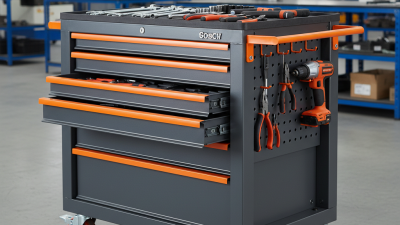
The China Factory Mobile Tool Chest Cabinet Combo TBC112426 is designed to maximize workspace efficiency while enhancing organization in any setting. With its innovative 24-inch wide design, this unit features six spacious drawers, providing ample storage for tools, equipment, and other essentials. A secure central locking mechanism ensures that your items remain safe and organized, giving you peace of mind as you work.
Equipped with smooth 3-inch wheels, this mobile tool chest can be easily transported from one location to another, making it a versatile addition to any workshop or garage. Its sturdy construction reflects reliable manufacturing practices, ensuring durability that can withstand daily use. Whether you are a professional tradesperson or a DIY enthusiast, this tool chest cabinet combo is designed for maximum convenience and functionality. By optimizing your workspace with this practical storage solution, you can increase productivity and keep your workspace clutter-free.
FAQS
: Lightweight composites are popular for their strength and ease of transport. They enhance durability without adding weight.
Smart features allow carts to monitor tool weight and ensure balanced loads. This improves maneuverability on different terrains.
Assess your transport needs and look for customizable storage options. These features help prevent wear and keep tools organized.
Neglecting maintenance can lead to operational issues. Regular checks and updates can extend the cart’s lifespan.
Adjustable height, cushioned handles, and smooth wheels enhance comfort. These features reduce strain during use.
Prioritize ample storage and easy access. Experiment with different cart configurations to find the most efficient setup.
Ergonomic designs can lower the risk of musculoskeletal disorders. Investing in comfort can improve overall performance and reduce fatigue.
Regular cleaning and checks are necessary for optimal functionality. Malfunctioning sensors can disrupt your workflow.
Yes, advanced carts can keep track of tool supplies and notify when items are low. This changes tool management significantly.
Professionals might skip maintenance for immediate tasks. However, this can cause more significant issues in the long run.
Conclusion
The "2026 Top Rolling Tool Cart Trends" highlights several key developments shaping the future of rolling tool carts. Innovations in material design are set to enhance durability and lightweight functionality, while automation is expected to revolutionize how these carts operate, boosting their efficiency and ease of use. Sustainability trends also play a significant role, with manufacturers increasingly adopting eco-friendly practices in the production of rolling tool carts.
Additionally, ergonomic features are becoming a focal point, ensuring user comfort during operation, which is critical for market competitiveness. The integration of smart technology is paving the way for more connected and intuitive rolling tool carts, offering users enhanced functionality. Lastly, consumer preferences are influencing color and style trends, alongside evolving price points that reflect market segmentation. Together, these factors present a comprehensive overview of the anticipated trends in rolling tool carts for 2026.