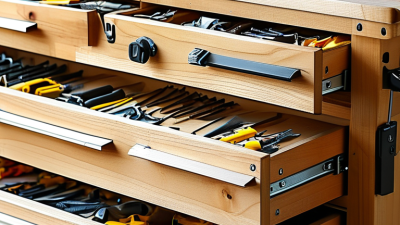
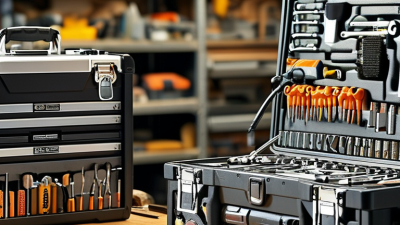
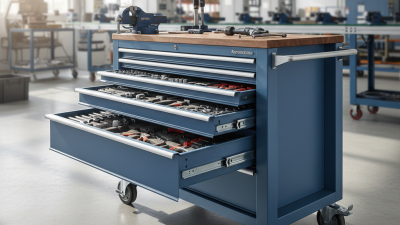
Choosing the right storage tool cabinet isn’t just about size, color, or how many drawers it has. The real key is making sure it matches your tools, your workspace, the kind of work you do every day, and of course, who’s using it. For example, a mechanic might need deep drawers to hold impact tools, while an electronics tech might prefer shallow ones with foam inserts. The goal? Keeping your tools easy to see, safe, and close at hand without fuss.
Markus Schulte, an expert in industrial storage solutions, puts it simply: “A tool cabinet should help things move smoothly, not just store equipment.” That’s pretty spot-on, especially in a busy workshop where every second counts. Imagine a full-extension drawer—being able to pull it out completely means you can find those tiny sockets without digging through a dark, cluttered box. Lockable doors can keep your pricey gear safe, and sturdy casters make it easier to move the cabinet around when needed. Sometimes, it’s the little things that end up making a big difference over time.
Then there’s material quality. Powder-coated steel tends to handle scratches, oil spills, and heavy use better than lighter, cheaper options. But here’s the thing—things like strength and durability usually come with a higher price tag and more weight. So, it’s worth thinking carefully about what you actually need. Bigger isn’t always better, especially if it just takes up lots of space.
Some cabinets come with nifty features like anti-tilt mechanisms, adjustable shelves, or built-in power sources. Those can really boost your efficiency—if they fit your working style. But an oversized cabinet can block your space and make moving around awkward. Meanwhile, a slim model might seem practical until it gets overcrowded and your tools don’t fit anymore.
This guide takes a look at the main types of storage tool cabinets, their pros and cons. It’s not about pushing one perfect pick for everyone. Instead, it’s about helping you find a cabinet that keeps working well long after the showroom shine wears off.
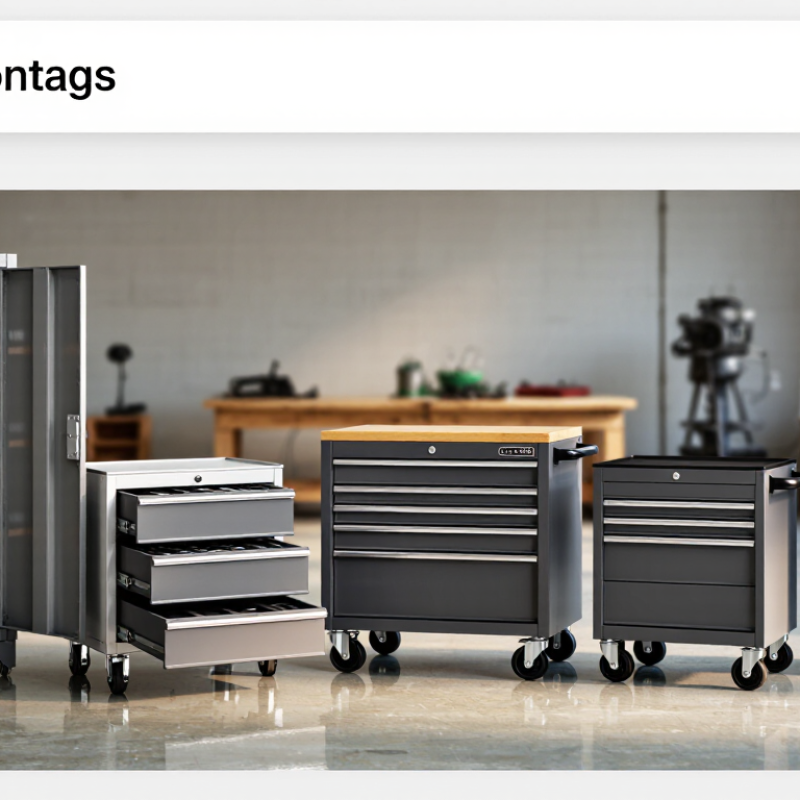
The best storage tool cabinet depends on your tools, workspace, and daily workload. In working workshops, I have found that capacity alone rarely determines performance. Measure the available wall and floor space first. Measure twice. A cabinet should open fully without blocking walkways or nearby equipment. Check drawer depth against your longest tools, not just the advertised cabinet size.
Construction quality deserves close attention. Look for reinforced frames, smooth full-extension drawer slides, and a published load rating. Steel thickness can affect durability, but poor drawer hardware may still cause early failure. A lockable design helps prevent accidental access and keeps small tools secure. That detail matters. Choose casters with reliable brakes if the cabinet must move, but select fixed feet for a cabinet that stays in one position. Looks can mislead.
Ergonomics also influences long-term value. Frequently used tools should sit between waist and shoulder height. Heavy items belong in lower drawers to reduce tipping risks. Soft drawer liners can limit sliding and reduce noise during busy work. Consider dust, humidity, and temperature changes in the installation area. I once chose a cabinet with impressive storage volume but ignored drawer clearance near a workbench. The result was constant obstruction. It worked, technically, but not well. Rechecking measurements, load distribution, and access patterns before purchase makes the decision more dependable.
Main Types of Storage Tool Cabinets
A rolling tool cabinet suits busy workshops where tools move between benches. Its casters support repositioning, while deep drawers hold drills, sockets, and protective equipment. Choose locking wheels and a published load rating. In daily use, a cabinet that feels stable with one drawer open is safer than a taller, overloaded unit.
A stationary cabinet offers stronger long-term storage and often carries heavier equipment. It works well beside a machine or fixed workbench. A Tall Tool Storage Cabinet adds vertical capacity, but its top drawers should remain light to reduce tipping risk. Wall-mounted cabinets save floor space and keep small tools visible. However, wall strength and mounting hardware matter more than appearance.
Modular cabinets combine base units, drawers, and overhead compartments. They suit teams whose inventory changes frequently. The U.S. Bureau of Labor Statistics reported about 2.6 million nonfatal workplace injuries in private industry during 2023. That figure does not prove poor storage causes injuries, but it supports careful housekeeping and access planning. A 2024 Grand View Research market analysis also identifies modular and mobile storage as important product directions, reflecting demand for flexible workspaces. I have found one practical weakness: drawer labels often become outdated. Leave room for revision, and measure real tools before selecting cabinet depth.
The best cabinet depends on the workspace and workload. Stationary and modular cabinets typically support heavier drawer loads, while mobile cabinets provide flexibility. Wall-mounted cabinets save floor space but generally offer less storage capacity.
What Type of Storage Tool Cabinet Is Best?
A tool cabinet should match the weight, moisture, and movement of your workspace. Steel remains the practical choice for heavy hand tools. Thicker panels resist dents and reduce vibration when drawers close. Aluminum is lighter and resists rust, but it can flex under uneven loads. Plywood offers warmth and easy repairs, although its edges need careful sealing. I once selected a thin steel cabinet for a busy workshop. The drawers looked fine, but the frame twisted after repeated loading. Appearance was not enough.
Construction quality often matters more than the material label. Check welded corners, reinforced drawer openings, and smooth full-extension slides. A drawer should move without grinding or dropping at the end. Ball-bearing slides usually feel steadier under weight. Examine the casters, too. Small wheels can struggle on cracked concrete. Locking casters should hold the cabinet firmly during use. A Tool Storage Wall Cabinet needs stronger wall support than many buyers expect. Locate studs, use suitable fasteners, and respect the stated load rating.
Finish quality also deserves close attention. A consistent powder coating helps protect steel from scratches and workshop moisture. However, coating cannot hide poor seams or weak hinges. Open and close every door several times. Listen for rubbing. Feel the handle. I still prefer a slightly plain cabinet with honest construction over a polished unit with thin panels. Measurements can also disappoint if wall clearance, door swing, and drawer depth are ignored. Some choices are easy to regret after installation.
A suitable Mobile Tool Storage Cabinet should match the work, not simply fill an empty corner. Measure the available floor area, doorway, and turning space before choosing a model. A cabinet that fits tightly may still block movement when its drawers open. Leave enough clearance for safe access and routine cleaning.
Capacity depends on more than the stated drawer count. Check each drawer’s load rating, usable depth, and full-extension travel. Heavy hand tools belong in lower drawers to keep the center of gravity stable. Shallow upper drawers suit bits, fasteners, and measuring tools. Adjustable dividers prevent small items from sliding into mixed piles. Labeling helps, but clear sightlines matter more during a rushed repair.
Internal organization should reflect real working habits. A wide drawer may hold power tools, while narrow compartments protect precision instruments from knocks. Foam inserts can reduce movement, though they also consume valuable space. I once selected a cabinet with impressive volume and still wasted half a drawer because its rails limited access. That mistake changed my measurements.
Check caster quality, handle placement, and the cabinet’s empty weight. A large unit can offer excellent capacity but become difficult to move across uneven flooring. Lockable drawers add control, yet they should not replace sensible tool discipline. Review the manufacturer’s technical data and inspect sample dimensions when possible. Measure twice. Even experienced users misjudge internal clearance.
The best tool cabinet balances mobility, security, and fast access. A heavy cabinet with small casters may look stable, but it can become difficult to move across uneven floors. Choose industrial casters with reliable brakes, a wide base, and smooth steering. The Health and Safety Executive reported 543,000 workers with work-related musculoskeletal disorders in Great Britain during 2023/24. Poor cabinet positioning can add unnecessary pushing, reaching, and lifting.
Mobility matters most when technicians change work areas. A cabinet around waist height reduces bending, while full-extension drawers keep small tools visible. Labelled compartments also limit repeated searching. Accessibility should not mean careless storage. Place heavy tools in lower drawers and frequently used items between knee and shoulder height. Security needs equal attention. Lockable drawers, tamper-resistant construction, and controlled key access can protect expensive equipment without slowing routine work. The 2023 Liberty Mutual Workplace Safety Index identified overexertion as a leading workplace injury cost, reaching 27.2 billion dollars in the United States in its cited 2020 data. That figure supports better handling design, although cabinet choice alone cannot solve every ergonomic problem. Test the cabinet on your actual floor. That step is often missed.
| Storage Cabinet Type | Typical Mobility | Security Level | Accessibility | Typical Load Capacity | Best Use | Main Advantages | Potential Limitations |
|---|---|---|---|---|---|---|---|
| Mobile Tool Chest or Rolling Cabinet | Four or more casters; two or more commonly include brakes | Medium | High | Approximately 300–1,500 lb, depending on size and construction | Workshops, maintenance areas, garages, and production floors | Easy to move, multiple drawers, quick access to frequently used tools | Requires a level floor; unlocked drawers may open during movement; casters add overall height |
| Stationary Drawer Cabinet | Low | High | High | Approximately 500–3,000 lb, depending on cabinet size and anchoring | Dedicated workstations, tool rooms, and controlled storage areas | Stable, high drawer capacity, efficient organization, and strong resistance to accidental movement | Not convenient to relocate; may require anchoring when tipping risk or heavy drawers are a concern |
| Mobile Workbench Cabinet | Heavy-duty casters with a fixed work surface | Medium | High | Approximately 600–2,000 lb, including stored tools and distributed work loads | Assembly, repair, fabrication, and service work | Combines tool storage, a work surface, and mobility in one unit | Heavier and wider than a standard rolling cabinet; may require wider aisles and more floor space |
| Lockable Door Storage Cabinet | Low to medium | High | Medium | Approximately 500–2,500 lb, depending on shelf design and cabinet height | Shared workshops, warehouses, maintenance departments, and secure tool rooms | Conceals contents, limits unauthorized access, and stores bulky equipment on adjustable shelves | Tools are less visible and less immediately accessible than in open shelving or drawers |
| Open Shelving Cabinet | Stationary or fitted with optional casters | Low | High | Approximately 200–1,500 lb per shelving unit, depending on shelf rating | High-use tools, parts storage, stockrooms, and visual inventory control | Fast identification and retrieval; accommodates boxes, containers, and irregularly shaped items | Offers little protection from dust, impact, or unauthorized access; items can fall if not secured |
| Modular Drawer and Cabinet System | Usually stationary; selected modules may be mobile | High | High | Approximately 500–4,000 lb across a complete system | Professional tool rooms, industrial maintenance, and organized production environments | Highly configurable, supports visual organization, and can separate shared and restricted tools | Higher initial cost, more planning required, and limited flexibility after installation |
| Compact Under-Bench Cabinet | Low | Medium | Medium | Approximately 200–800 lb | Small workshops, laboratory benches, service counters, and limited-floor-space areas | Uses unused space efficiently and keeps tools close to the work surface | Limited drawer volume; access may be restricted by the bench structure or surrounding equipment |
The best tool cabinet depends on the work environment, not only its capacity. In a dry workshop, a steel cabinet with sealed drawers, ball-bearing slides, and adjustable dividers supports precise maintenance. The U.S. Bureau of Labor Statistics reported about 2.6 million nonfatal workplace injuries and illnesses in private industry during 2023. Clear storage can reduce searching, awkward reaching, and floor-level clutter, although a cabinet alone cannot prevent injuries.
Workshops with welding, machining, or vehicle repair need stronger protection. Choose lockable drawers, chemical-resistant finishes, and reinforced casters rated above the loaded weight. The National Safety Council’s Injury Facts 2024 identifies overexertion and bodily reaction among leading workplace injury categories. That supports keeping heavy tools between knee and shoulder height. It is a small design choice.
Outdoor maintenance teams face rain, dust, temperature changes, and uneven ground. An Outdoor Tool Storage Cabinet should include weather-resistant coatings, raised legs, a sloped top, and a drainable base. The U.S. Department of Labor’s Occupational Safety and Health Administration emphasizes keeping walking-working surfaces clean and orderly. However, outdoor cabinets are not automatically secure. Hinges can corrode, seals can fail, and wheels may sink into gravel. I would inspect them monthly, especially after storms. A compact cabinet may also outperform a larger model when technicians must carry tools across a site. Space calculations often look perfect on paper, yet real workers need room to open drawers while wearing gloves.
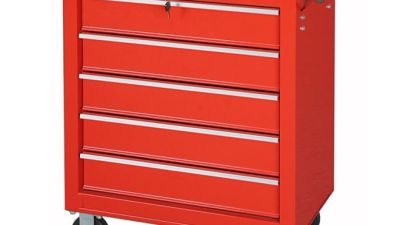
The China 24-Inch 5-Drawer Rolling Tool Chest is designed for workshops that need practical storage, dependable mobility, and secure access. Built by experienced factory suppliers, this compact cabinet combines a durable metal structure with a space-efficient layout for organizing hand tools, repair equipment, and everyday workshop essentials. Its five drawers help separate tools by size or purpose, making it easier to keep the work area orderly and locate items quickly during demanding projects.
A central locking system helps protect stored equipment when the cabinet is not in use, while smooth-rolling wheels support convenient movement across the workshop. The rolling design allows professionals, maintenance teams, and DIY users to position their tools close to the job and return the cabinet to a designated storage area afterward. Careful manufacturing and quality-focused production in China make this 24-inch cabinet a dependable choice for garages, service rooms, and small industrial workspaces seeking efficient, lockable tool storage.
Steel usually suits heavy hand tools and busy workshops. Thick panels resist dents and reduce drawer vibration.
Strong welds, reinforced drawer openings, and smooth slides indicate better construction. Material labels cannot reveal weak frames.
Open every drawer fully. It should move smoothly without grinding, dropping, or sticking at the end.
Choose industrial casters with reliable brakes, smooth steering, and a wide base. Small wheels struggle on cracked concrete.
Store heavy tools in lower drawers. Keep frequent-use tools between knee and shoulder height.
Lockable drawers, tamper-resistant construction, and controlled key access help protect expensive equipment.
Choose weather-resistant coatings, raised legs, a sloped top, and a drainable base. These features help manage rain and dust.
Measure wall clearance, door swing, drawer depth, and walking space. Leave room to open drawers while wearing gloves.
Choosing the best storage tool cabinet depends on your workspace, tools, and daily workflow. Important factors include cabinet type, construction quality, material durability, size, load capacity, and internal organization. Steel cabinets are often valued for strength and long-term use, while other materials may offer lighter weight or greater flexibility. Adjustable shelves, drawers, dividers, and designated compartments can help keep tools organized and easy to locate.
Mobility, security, and accessibility are also essential considerations. Cabinets with sturdy casters are suitable for changing work areas, while locking systems provide added protection for valuable equipment. The ideal storage tool cabinet should match the environment where it will be used, whether in a home workshop, professional garage, manufacturing area, or maintenance space. By balancing durability, capacity, organization, movement, and safety features, users can select a cabinet that improves efficiency and keeps tools secure, accessible, and properly arranged.