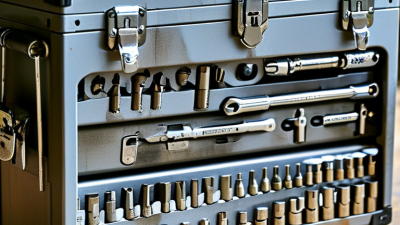
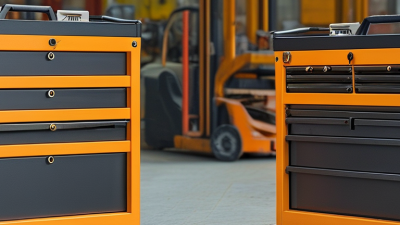
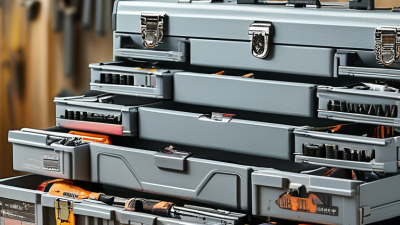
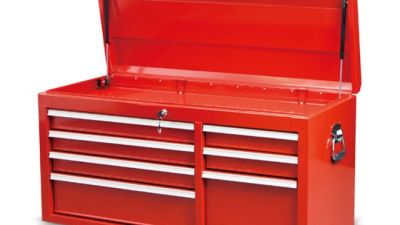
China’s Roller Chest Tool Boxes industry caters to a pretty wide audience—think automotive workshops, maintenance teams, factories, and even serious DIY folks at home. Lately, demand’s been picking up, mainly because everyone’s craving organized tool storage, mobile workstations, and professional repair setups. According to the Hand Tools Market report by Grand View Research, the global market hit around USD 24 billion in 2023, and it’s expected to keep growing through 2030. This larger trend definitely boosts interest in tough, reliable roller chests from Chinese suppliers.
When you’re shopping around, the quality really shows in the details. It's worth taking a close look at things like how thick the cold-rolled steel is, the load capacity of each drawer, how well the powder coating sticks, the size of the casters, and how smoothly the ball-bearing slides operate. And remember, a loaded-up chest should glide smoothly over concrete, not just shiny showroom floors. While suppliers with ISO 9001 certification usually have better process controls, don’t assume that alone guarantees quality. It’s smart to have independent inspections from folks like SGS or Intertek to verify dimensions, welding quality, packaging, and how their samples perform before shipping.
If you’re buying wholesale, make sure you have clear specs—things like how many drawers, their capacity, lock type, handle design, carton strength, and support for replacement parts. China Top Roller Chest Tool Boxes Wholesale programs can help cut costs, especially if you’re ordering in containers and choosing custom colors. That said, low prices can sometimes hide issues—like thinner panels or weaker casters—so it’s definitely something to watch out for. A catalog photo really doesn’t tell the whole story.
According to IMARC Group and Fortune Business Insights, the global demand for tools and workshop gear is still on the up and up. But, as tempting as it is to jump in headfirst, it’s better to have a measured sourcing strategy—don’t just go for the cheapest option out there. The best suppliers are those with real factory experience, transparent testing processes, steady lead times, and good communication. Sometimes, those little details make all the difference—like a drawer that jams after six months can totally spoil an otherwise great deal.
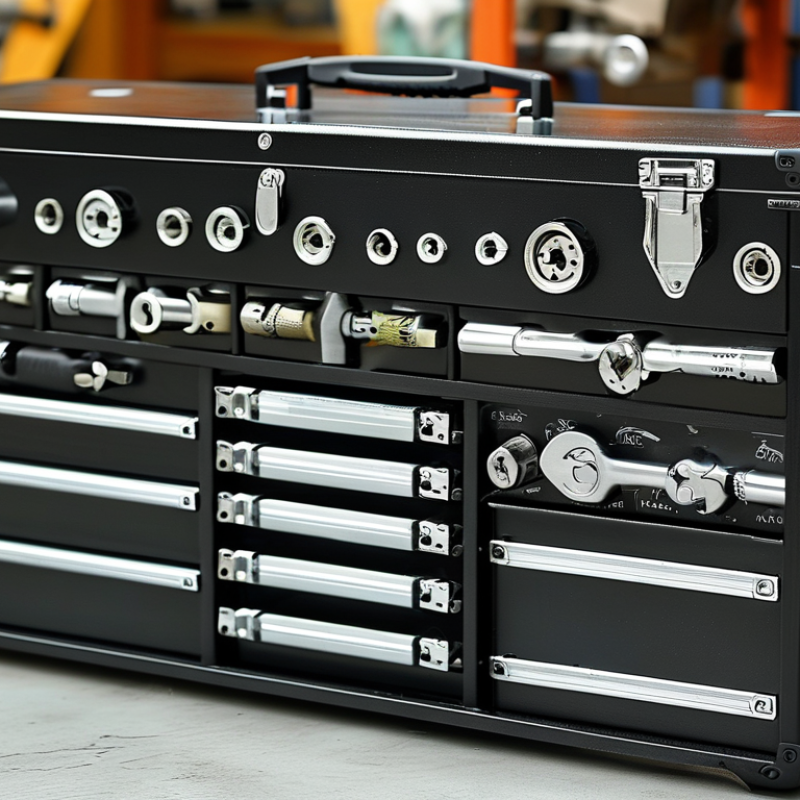
What Are Roller Chest Tool Boxes and How Are They Designed?
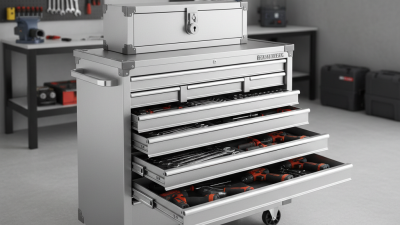
Roller chest tool boxes are mobile storage systems built for workshops, garages, and service areas. Their design combines a deep lower cabinet with several sliding drawers above it. Heavy-duty casters support movement, while a steel frame protects tools from daily impacts. In practice, a loaded chest can feel surprisingly heavy.
A typical roller chest uses powder-coated steel, reinforced drawer rails, and a tubular handle. Each drawer is sized for a different purpose. Shallow drawers hold sockets, drivers, and measuring tools. Deeper compartments store drills, hammers, and boxed equipment. Full-extension slides allow users to reach the back without emptying the drawer. A lockable front panel adds basic control when several workers share one space.
For wholesale buyers, construction details matter more than a polished appearance. Check the steel thickness, caster diameter, drawer capacity, weld quality, and packaging protection. Big Tool Boxes should also arrive with accurate dimensions and clear assembly instructions. I have found that uneven floors expose weak caster plates quickly. That detail is easy to miss. Some drawers may also require adjustment after transport, which is not ideal but can be manageable. Ventilation, anti-slip liners, and replaceable wheels improve long-term use, especially in busy repair environments.
Why Choose China-Made Roller Chest Tool Boxes for Wholesale?
China-made roller chest tool boxes suit wholesalers seeking controlled cost, flexible production, and scalable supply. Grand View Research reported that the global hand tools market reached about USD 23.7 billion in 2023. This expanding market increases demand for organized, mobile tool storage.
China has a mature metalworking supply chain. Factories can offer cold-rolled steel bodies, powder-coated finishes, ball-bearing slides, and modular drawer layouts. Wholesale buyers can also request custom colors, foam inserts, locks, and packaging. These details matter in workshops where drawers open repeatedly and casters cross uneven floors.
Price is not everything. A low quotation may hide thin steel, weak welds, or poor carton protection. That part needs honest checking. Production samples, load testing, coating inspections, and third-party factory audits improve reliability. According to Fortune Business Insights, the global hand tools market was valued at over USD 22 billion in 2023, showing strong commercial demand but also intense competition.
Tips: Compare steel thickness, drawer load, wheel diameter, and slide-cycle results. Ask for inspection records before placing a bulk order. Check export packaging with a drop-test sample. Minor defects become expensive after shipment. Allow time for revisions, because the first specification is rarely perfect.
Which Materials and Features Define High-Quality Tool Chests?
China Top Roller Chest Tool Boxes Wholesale?
High-quality roller chest tool boxes begin with material choice. The Freedonia Group’s tool storage analysis identifies steel as the dominant material in professional storage, mainly because it balances strength, cost, and repairability. Cold-rolled steel with a powder-coated finish resists daily scratches and workshop moisture. However, thicker steel is not automatically better. A badly welded 1.2-millimeter panel can fail before a well-formed 0.8-millimeter panel. That detail is often missed.
Drawer performance matters just as much. Industry testing commonly rates ball-bearing slides by load capacity and cycle durability, while ISO 9227 salt-spray testing helps evaluate corrosion resistance. A dependable chest should use full-extension slides, reinforced drawer fronts, and positive stops. Drawers should open smoothly when loaded with sockets, pliers, and torque tools. They should not twist under uneven weight. Small things matter.
Market research from Grand View Research shows rising demand for modular and mobile tool storage, especially in industrial and maintenance settings. That trend makes swivel casters, locking brakes, and replaceable wheels practical features, not decoration. A useful layout also needs anti-slip liners and a central locking system. I still question oversized claims about “heavy duty” construction when no load test is published. Wholesale buyers should request steel thickness, drawer-load figures, coating standards, and inspection records before comparing prices.
How to Select the Right Roller Chest Tool Box for Your Market?
Choosing the right Roller Cabinet Tool Chest starts with your market, not a catalog photograph. A workshop serving mobile technicians needs compact dimensions, locking casters, and drawers that survive movement. An industrial maintenance buyer may prefer deeper drawers, thicker steel, and higher load capacity. Ask how tools are used each day. That question matters.
Measure common tool sets before selecting cabinet width. Socket rails, power tools, and long handles quickly consume shallow drawers. Full-extension slides improve access, but they require accurate installation and regular inspection. Check drawer load ratings, wheel diameter, brake strength, and handle attachment points. In humid regions, powder coating alone may not prevent corrosion around drawer seams. Request coating details and inspect sample welds. Small defects become expensive complaints.
Market expectations also include packaging, replacement parts, and service response. A low purchase price can lose value when a damaged caster takes weeks to replace. For wholesale evaluation, test one sample under realistic weight instead of trusting a specification sheet. Field testing may reveal instability when heavy tools sit in upper drawers. That mistake is easy to repeat. Leave a safety margin for mixed-use customers. Compare delivered cost, not factory price, and record every finding before placing a larger order.
What Wholesale Customization Options Do Chinese Manufacturers Offer?
Chinese manufacturers offer more than standard dimensions for a Roller Cabinet Tool Box. Wholesale buyers can request drawer counts, cabinet depths, steel thickness, handle placement, caster size, and powder-coat colors. Some factories also produce a matching upper chest, side locker, or perforated back panel. These details matter in workshops where a 30-millimeter clearance can decide whether the cabinet fits beneath a bench.
Market data supports this demand. Grand View Research reported that the global hand tools market was valued at over USD 24 billion in 2023, with professional users driving steady replacement and storage demand. A 2024 IMARC analysis also identified customization and organized workplace storage as important purchasing factors. These reports do not guarantee every factory’s quality. They show why buyers should request evidence.
Customization can include laser-cut logos, barcode labels, drawer liners, anti-rust treatment, reinforced frames, and export-ready packaging. Chinese suppliers may provide prototypes before mass production, which helps verify drawer alignment and wheel stability. Ask for steel specifications, load-test records, coating details, and inspection photos. ISO 9001 certification is useful, but it is not a substitute for product inspection.
Small flaws become expensive. A drawer that feels smooth on a sample may bind after shipping. Confirm the sample against the final purchase order. One practical lesson is uncomfortable: the cheapest quote often excludes packaging upgrades, replacement parts, or testing. Review those omissions before comparing prices.
Chinese manufacturers commonly support customization of roller chest tool boxes across exterior appearance, storage configuration, materials, hardware, packaging, and compliance documentation. Availability can vary by order quantity, tooling requirements, and product design.
How Do Pricing, Quality Control, and Shipping Work?
Sourcing a Tool Chest wholesale requires more than comparing the lowest quotation. Pricing usually depends on steel thickness, drawer slides, coating, wheel size, order volume, and packaging. Ask for a detailed cost sheet. It should separate product price, tooling fees, inspection costs, and shipping charges. A low price can hide thinner panels or weaker casters. Request a production sample before confirming a large order.
Quality control should cover dimensions, drawer movement, weld points, paint adhesion, and load testing. In practical inspections, uneven drawers and scratched coatings often appear after assembly. Use an agreed checklist with measurable standards. Factory photos help, but they are not proof. An independent inspection before shipment is more reliable. I have found that small defects are easier to correct than to explain after delivery. Still, no process is perfect. Recheck critical measurements.
Tips: Confirm the material grade, drawer capacity, carton dimensions, and spare-parts policy. Keep signed samples and inspection records. For shipping, compare FOB, CIF, and delivered quotations carefully. A container plan should show carton quantity, loading space, and estimated departure date. Protective corner foam and moisture-resistant wrapping can reduce damage during ocean transport. Lead times may change because of production queues, port congestion, or document errors. Build a small buffer into your schedule. Ask for tracking documents and a packing list before the shipment leaves.
7 Drawer Tool Chest TBT204207: A Practical Guide to Organized and Efficient Workshop Storage
A 7-drawer tool chest is a practical foundation for a clean, efficient workshop. With its 42-inch width and heavy-duty construction, it provides generous storage for hand tools, fasteners, measuring equipment, and maintenance accessories. The 1 mm thick body offers dependable strength for everyday workshop use, while the spacious layout helps keep frequently used items visible and easy to reach.
Each drawer supports up to 15 kg, allowing tools to be arranged by type, size, or frequency of use without overloading the storage system. Shallow drawers are suitable for sockets, wrenches, and screwdrivers, while deeper compartments can hold power-tool accessories, protective equipment, or larger repair supplies. Organizing tools in dedicated drawers reduces clutter and makes it easier to return everything to its proper place after a project.
Security is supported by the central locking system, which helps protect stored tools when the chest is not being used. Its solid structure and practical capacity make it suitable for garages, repair areas, maintenance rooms, and professional workshops. By combining clear organization with durable storage, this 7-drawer chest helps create a workspace where tools can be located quickly and work can proceed more efficiently.
FAQS
: They offer controlled costs, flexible production, and scalable supply. Factories can provide steel bodies, powder-coated surfaces, and modular drawers. Supply can expand with market demand. Price alone is risky.
Compare steel thickness, weld quality, coating durability, and frame reinforcement. Thin steel may reduce stability under heavy drawer loads. Ask for written material specifications. Do not guess.
Buyers can request drawer counts, cabinet depth, handle placement, and caster size. Other options include colors, foam inserts, locks, and drawer liners. Factories may also produce matching upper chests or side lockers.
Many manufacturers can provide production samples or prototypes. Use them to check drawer alignment, wheel movement, and cabinet clearance. A 30-millimeter difference may affect bench placement. Small measurements matter.
Request drawer load tests, slide-cycle results, coating inspections, and inspection photos. Check whether drawers remain smooth after repeated opening. Test casters across uneven surfaces. Samples can still mislead.
Request a drop-test sample before shipment. Check carton strength, internal protection, and corner reinforcement. Poor packaging can damage wheels, coating, or drawer alignment. That cost appears later.
No certification replaces product inspection. Review factory records, but inspect the actual tool boxes. Compare samples with the final purchase order. Paperwork is only one part.
Low quotations may exclude stronger packaging, replacement parts, testing, or design revisions. Ask for a complete cost breakdown before comparing suppliers. The cheapest offer may not be the cheapest result. That deserves reflection.
Confirm steel thickness, dimensions, drawer capacity, caster diameter, color, and packaging requirements. Include inspection standards and approved sample photos. Allow time for revisions. The first specification is rarely perfect.
Conclusion
Roller chest tool boxes are mobile storage systems designed with stacked drawers, a sturdy cabinet, and smooth-rolling casters for convenient organization and transport. This article explains how their structure supports efficient workshop use and why China-made roller chest tool boxes are attractive for wholesale buyers seeking competitive pricing, flexible production, and scalable supply. It also examines the materials and construction details that influence durability, including steel thickness, protective coatings, drawer performance, locking systems, and load capacity.
Choosing the right model requires understanding your target market, preferred size, storage layout, mobility needs, and expected usage conditions. Chinese manufacturers may offer customization options such as colors, dimensions, drawer configurations, surface finishes, packaging, and private labeling. The article also outlines how wholesale pricing is affected by order volume and specifications, while quality control may include material checks, assembly inspections, functional testing, and pre-shipment review. Finally, it introduces key considerations for shipping, including packaging protection, delivery schedules, documentation, and total landed cost.