Picking the right tool chests and cabinets honestly isn’t always a walk in the park. There are so many options out there, it can be kinda overwhelming, you know? Having good quality tool storage isn’t just a nice-to-have—it’s pretty much essential for any workshop. It helps keep your tools organized and within reach, which, let’s be honest, makes everything run way smoother.
When you’re figuring out what you need, think about the size and kind of tools you use the most. If you’re a pro, you might need bigger cabinets with adjustable trays, so everything fits just right. Hobbyists, on the other hand, can probably get by with smaller chests. Honestly, a solid, well-made cabinet can really make a difference in how your workspace feels and works.
Also, take a moment to think about your purchase. Sometimes people overlook how much good organization can boost your productivity. It pays to spend some time figuring out exactly what you need—don't rush it. Brands like Craftsman and Husky are usually a safe bet—they’re known for durability and quality. Remember, your tool chest isn’t just about storage; it’s kinda like the foundation of a good, efficient workspace. Trust me, investing in the right setup can really pay off in the long run.
Understanding Different Types of Tool Chests and Cabinets Available
When selecting tool chests and cabinets, understanding the types available is crucial. There are different styles to fit various needs. Rolling tool chests offer mobility. They can be moved easily across your workspace. They are great for larger tools. However, they may require more floor space.
Wall-mounted cabinets save space efficiently. They keep tools accessible without cluttering your workspace. These are perfect for small garages. Yet, they have limited storage capacity.
Fixed tool chests provide sturdiness and organization. They often come with multiple drawers. You might find these more useful if you have many small tools.
When considering the best option for you, think about your habits. Do you need frequent access to your tools? Or will you store them away for long periods? Garage tool chests and cabinets should reflect your workflow. Reflect on your space and needs carefully. Each type has its pros and cons, and choosing the right one matters.
Evaluating Storage Capacity and Organization Features in Tool Storage
When evaluating tool storage, start by assessing your storage capacity needs. Consider the types of tools you own. Heavy-duty power tools require more space than hand tools. Each tool type has its own dimensions. This will help you determine the size of the chest or cabinet. Measure your available space too. The best solution often fits snugly into your workspace.
Organization features are just as crucial. Look for drawers with different sizes. They help to categorize tools effectively. Shelves should be adjustable for flexibility. This allows you to change the layout as your collection grows. Labels can improve accessibility. However, not all labels stay intact. Think about using durable materials for longevity.
Lastly, reflect on your habits. Do you put things back in their place? If not, a tool chest with fewer compartments might become chaotic quickly. It may seem easier to toss things in a large space, but you'll regret it later. Regularly reevaluating your organization will keep your workspace functional and efficient. Remember, an adaptable storage solution is often the best choice.
Material Quality: Choosing Between Metal, Plastic, and Wood Tool Chests
When selecting a tool chest or cabinet, the material quality is crucial. Metal tool chests offer durability and strength. They resist wear and can withstand heavy usage. However, they may be heavier and more difficult to move. According to industry reports, metal options tend to have a longer lifespan than plastic counterparts.
Plastic tool chests are lightweight and often more affordable. They resist rust and corrosion, making them suitable for outdoor use. Yet, they may lack the robustness required for heavy tools. Wood tool chests provide a classic aesthetic but can be less durable. Over time, wooden cabinets may warp or suffer from moisture damage.
Consider the environment where these cabinets will be used. For example, Garage Tool Cabinets in humid conditions may not fare well with wood. The choice of material ultimately affects longevity and practicality. Each material presents distinct advantages and drawbacks that deserve careful evaluation.
Considering Mobility: Fixed vs. Rolling Tool Cabinets for Different Needs
When selecting Tool Storage Cabinets, mobility is a key consideration. Fixed cabinets provide stability, making them ideal for workshop settings. They hold tools securely, allowing easy access. However, their lack of movement can be limiting. You might find yourself needing to reach for tools far away. This can lead to frustration, especially during complex projects where time matters.
Rolling tool cabinets offer flexibility. They allow you to transport tools to various locations effortlessly. This is especially useful for mobile jobs or when working in different areas of a large garage. You can roll the cabinet near your worksite, saving steps and time. However, the wheels can become a drawback. Uneven surfaces may cause instability or rolling away unexpectedly. Thus, consider your workspace and project type when deciding.
In conclusion, balancing fixed versus rolling options is essential. Understand your needs and workspace dynamics. Reflect on how often you will move your tools. Your decision should cater to not just immediate needs but future projects as well. The right choice enhances efficiency and effectiveness in handling tasks.
Assessing Locking Mechanisms and Security Features for Tool Storage
When selecting tool chests and cabinets, security features play a crucial role. Assess the locking mechanisms to ensure your tools remain protected. A recent industry report states that over 70% of tool thefts occur due to inadequate security. Understanding this, you'll want to choose cabinets with robust locks, perhaps opting for those with drill-resistant cylinders.
Consider user-friendly locking systems as well. Many professionals prefer keyless options for quicker access. However, research shows that electronic locks may fail under extreme conditions. It's essential to weigh the ease of use against the potential for malfunction.
Tip: Test the lock before you buy. Ensure it operates smoothly and feels sturdy.
In addition, take note of storage capacity. Consistently monitor how much space you need. Sometimes, a large cabinet can lead to clutter and disorganization. Balancing functionality with security is key. You might also want to verify if the cabinets are made from heavy-duty materials. This can enhance both durability and security, reducing the chances of forced entry.
Tip: Always ask about warranty options. A reliable manufacturer will offer some assurance of quality. Garage Tool Box Cabinets should combine security, accessibility, and reliable construction.
Budgeting: Determining the Cost-Effectiveness of Tool Chests and Cabinets
When budgeting for tool chests and cabinets, consider both quality and cost. According to industry reports, prices can vary widely. A basic unit might cost around $100, while high-end models can exceed $1,000. Understand what features you need. More storage doesn't always mean better value.
Evaluate longevity versus upfront costs. Some cheaper options may need replacing sooner. A tool chest with better materials may provide long-term savings. Reports indicate that investing in high-quality cabinets can improve organization and save time on projects. This efficiency is often underappreciated.
Reflect on your specific needs. A larger toolbox might seem more cost-effective, but can it fit in your workspace? Sometimes, a smaller, well-organized toolbox is the best choice. Determine what tools you need to store, and prioritize functionality over size. Spend wisely for a balance of cost and usability that fits your unique requirements.
Budgeting: Cost-Effectiveness Analysis of Tool Chests and Cabinets
Analyzing Customer Reviews and Industry Ratings for Reliability and Performance
When selecting tool chests and cabinets, analyzing customer reviews is crucial. These reviews provide insights into the reliability and performance of various models. Users often share their real-world experiences. Their feedback can highlight the durability of materials and ease of use. Look for patterns in the comments regarding features that matter most. Pay attention to repeated praises or complaints to gauge overall satisfaction.
Industry ratings also play a significant role in the decision-making process. Many reliable sources evaluate tool storage systems based on rigorous testing. They assess factors like organization, mobility, and build quality. However, even expert reviews can have biases. It is wise to compare multiple rankings. This helps ensure a well-rounded perspective. Some highly rated products may not meet personal needs. Consider storage capacity, space availability, and personal preferences.
Throughout the selection process, reflect on your priorities. What tools do you need to store? How often will you access them? Understanding your workflow can lead to better choices. Remember, not every recommendation will fit your situation. Take the time to weigh various sources and think critically about each option. Your ideal tool chest or cabinet should enhance your workspace.
Versatile Storage Solutions: Elevate Your Organization with the 18 Sturdy 3-Tray Cantilever Tool Box
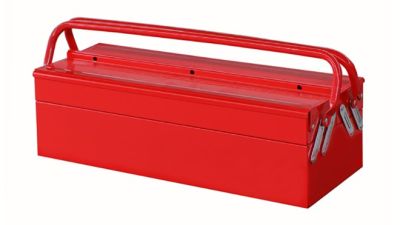
Elevate your organization with the versatile 18 3-tray cantilever tool box, a perfect storage solution for both DIY enthusiasts and professionals alike. Crafted from high-quality SPCC steel, this robust tool box is designed for durability and efficiency. Its exceptional strength ensures that it can withstand the rigors of everyday use while providing longevity, making it an indispensable addition to any workspace.
The thoughtful design features of the 18 3-tray cantilever tool box include a secure top handle that allows for easy portability. Whether you are heading to a job site or tackling a project at home, this tool box keeps your tools organized and accessible. With three spacious trays, it not only helps to optimize space but also enhances your workflow by allowing you to easily find and reach the tools you need. Partner with reliable manufacturers for sturdy storage solutions that cater to all your tool organization needs, ensuring that your workspace remains efficient and clutter-free.
FAQS
: Metal tool chests are durable and strong. They resist wear and can handle heavy usage.
Yes, plastic tool chests resist rust and corrosion, making them ideal for outdoor conditions.
Wooden tool chests may warp over time and can suffer from moisture damage.
Think about your workspace layout and how often you will need to move your tools.
Fixed tool cabinets provide stability and secure tool storage in a workshop environment.
Rolling tool cabinets offer flexibility and allow easy transport of tools to different work areas.
Yes, they may cause instability on uneven surfaces or roll away unexpectedly.
Reflect on the environment where it will be used. Each material has its pros and cons.
Choosing the right cabinet impacts efficiency and effectiveness for tasks you may face later.
No single material is perfect. Each has its strengths and weaknesses that should be matched to needs.
Conclusion
When selecting the best tool chests and cabinets for your needs, it's essential to understand the various types available on the market. Start by evaluating the storage capacity and organizational features to ensure they align with your tools and equipment. Consider the material quality—whether metal, plastic, or wood—since this will affect durability and longevity. Additionally, the choice between fixed and rolling tool cabinets can impact mobility based on your workspace requirements.
Security is another critical factor; assess the locking mechanisms to protect your tools. Budgeting plays a crucial role in determining the cost-effectiveness of your purchase, so it's advisable to set a clear budget. Finally, analyzing customer reviews and industry ratings can provide valuable insights into the reliability and performance of different tool chests and cabinets, helping you make a well-informed decision.