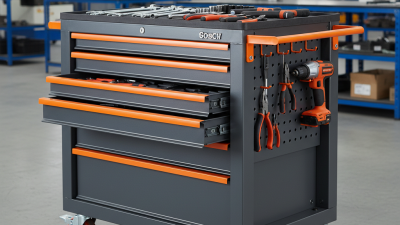
Picking the right Hand Tool Box isn’t just about how it looks — it’s more about how well it performs day to day. Sure, a shiny, polished case might look fancy, but it’s not gonna cut it next to a muddy work truck if it can’t handle the mess. The key is finding a box that really protects your tools, makes it easier to move around, and keeps you from wasting time fiddling with stuff.
Mike Rowe, who founded the mikeroweWORKS Foundation, always says, “Safety is not a slogan; it is a habit.” And honestly, that rings true when it comes to how you store your tools. A good Hand Tool Box keeps those sharp edges covered, prevents the heavier tools from tipping over, and keeps your most-used gear within easy reach. Plus, it’s a quick way to notice if you’re missing something before things get unsafe on site.
In this guide, we’ll look at things like size, materials, drawer designs, portability, weather resistance, and locking systems. Steel boxes are super strong — no question — but they can get pretty heavy by the end of the day. Plastic ones resist moisture, which is a big plus, but sometimes cheaper hinges can be a letdown — trust me, I’ve been there. Bigger isn’t always better either. Overstuffed boxes can slow you down and make repairs a pain.
Honestly, your choice depends a lot on where you’re working. A home mechanic might do just fine with a smaller box with flexible compartments, while a construction pro needs reinforced corners, wide handles, and locks you can really count on. Sure, brand reputation helps, but it’s the specific details that matter more — like load capacity, warranty options, replacement parts, and what other folks in similar jobs are saying.
At the end of the day, the perfect Hand Tool Box should fit your tools, your body, and the environment you work in. It shouldn’t just take up space in your garage — it should make your next job easier, safer, and maybe even a little faster. Even seasoned guys sometimes overlook how comfortable a box actually is — so don’t forget to consider that little detail. It’s worth paying attention to because it makes a difference.
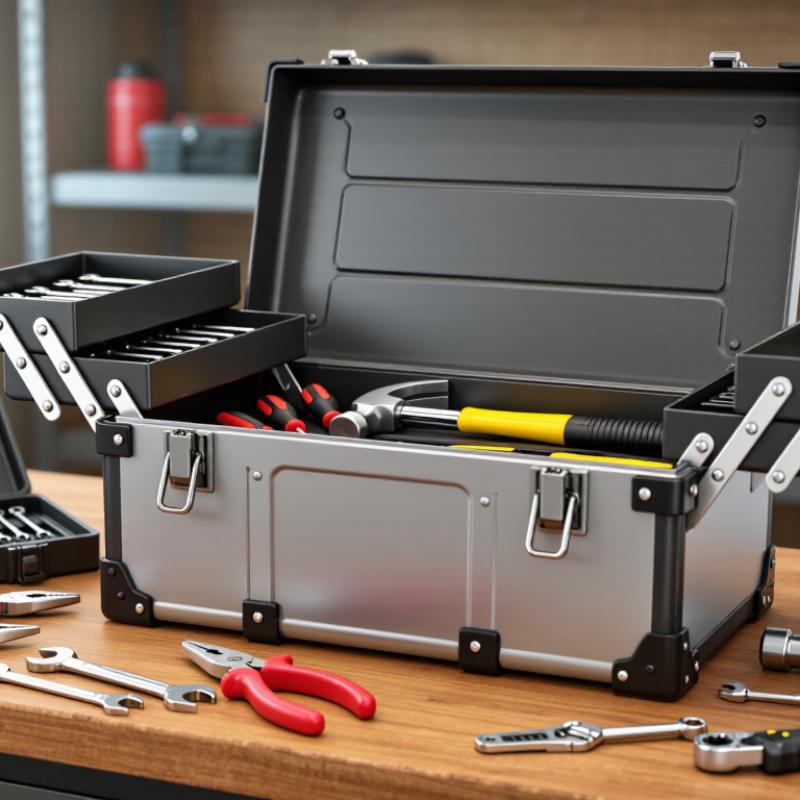
Start with an honest inventory of your hand tools. Group screwdrivers, pliers, wrenches, measuring tools, and specialty items separately. Count duplicates, damaged tools, and pieces you rarely use. This process often reveals wasted space. It also shows which tools must remain within reach.
In my workshop, frequently used tools stay near the workbench, while backup tools move to deeper storage. Measure twice. A cabinet that looks spacious may become crowded after adding sockets, bits, and protective cases.
Consider your working environment before choosing a Hand Tool Cabinet . A mobile cabinet suits repair areas where tools follow the job. A stationary cabinet works better in a dedicated workshop. Check drawer depth, load capacity, handle position, and wheel quality.
Heavy tools should sit in lower drawers to reduce tipping risks. Shallow drawers help organize small items without creating hidden layers. Foam liners can reduce movement and protect finished surfaces, but they also consume valuable space.
Your storage needs may change. Leave some capacity for future tools, but avoid buying far beyond your current requirements. I once selected a cabinet with oversized drawers and lost small tools inside them.
That mistake taught me to match drawer height with actual tool dimensions. Use labels, outlines, or simple dividers for faster identification. Reassess the layout after several weeks. The most logical arrangement on paper may feel awkward during real work.
How to Choose the Right Hand Tool Box?
Assess Tool Box Size, Capacity, and Weight
A hand tool box should match your daily work, not your imagined future projects. Measure the longest tool before choosing a box. A 24-inch wrench will not fit comfortably in a shallow container. Leave some empty space for new tools and easier access.
Capacity matters beyond the stated volume. Check the tray layout, drawer depth, and internal dividers. A Tool Box And Tool Set may seem convenient, but bulky tools can waste valuable space. I once chose a large box that looked professional. It became awkward to carry across a workshop. That choice needed more thought.
Tips: Lift the box when it is fully loaded. If your wrist bends or your shoulder strains, choose a lighter option. Steel boxes often provide strength, while reinforced plastic can reduce weight. Check the handle grip carefully. Sharp edges and loose hinges are warning signs. Keep heavier tools near the bottom to improve balance. Do not fill every corner. A little spare capacity helps prevent damaged tools and slow searching.
A hand tool box should match your working conditions, not just your tool count. Steel offers strong impact resistance and handles heavy loads well. However, it can become tiring to carry and may rust in damp workshops. Aluminum is lighter and naturally resists corrosion, but its panels can dent under rough treatment. Plastic is easy to carry and usually costs less. Still, thin plastic may crack in cold weather or under uneven weight.
Construction matters as much as material. Check the hinge alignment, handle attachment, latch strength, and corner protection. A reinforced base keeps screwdrivers and pliers from pressing directly against the floor. Removable trays improve access, but loose trays can rattle during transport.
I once chose a spacious box with weak latches. It looked practical in the shop. It became frustrating on site. That mistake changed how I judge storage design.
Tips:
Place your heaviest tools near the bottom. Open and close every latch before buying. Test the handle with realistic weight. Inspect sharp edges and uneven seams. Measure your largest tool, not the average one. Leave some empty space for future additions. A weather seal helps outdoors, but it cannot replace dry storage. Think carefully. Durability is also about daily comfort. A box that survives impacts but strains your wrist may still be the wrong choice.
Choosing the right hand tool box starts with how you actually work. A box may look spacious, yet waste time if every screwdriver lies beneath pliers. Check whether compartments match your regular tools. Narrow slots can hold bits, measuring tools, and small drivers. Deeper sections suit sockets, clamps, or protective gloves.
Drawers help when tools need quick access. Look for smooth movement and strong stops. A shallow top drawer can hold fasteners and utility knives. Larger drawers should support heavier tools without bending. I prefer a Top Box Tool Box with labeled spaces and enough room for future additions. However, too many compartments can become restrictive. I once chose a highly divided box and later found several spaces useless.
Tips: Place frequently used tools near the top. Keep heavy items low. Leave a little empty space. This makes daily access easier and reduces tangled handles. Test the drawer clearance with your largest tool before buying. A drawer that closes neatly when empty may jam when fully loaded.
Good organization should fit your hands, not just a product diagram. Measure your tools at home, including handles and cases. Consider the box’s balance when carrying it across a workshop floor. Metal construction may offer durability, but excessive weight becomes tiring. Plastic can be practical, though weak hinges may disappoint. Inspect these details carefully. Organization is never permanently finished; your layout may need revision as your tasks change.
Choosing the right Tool Box starts with the route, not the catalogue photograph. I once carried a heavy steel box across a crowded workshop. Its sharp corners caught twice. That mistake changed my checklist. The 2023 Liberty Mutual Workplace Safety Index estimated $12.5 billion in U.S. workplace costs from overexertion injuries, based on 2020 data. Choose a lighter box with balanced weight, a padded handle, and smooth wheels. Test the grip with gloves. Tiny details matter.
Security should protect tools without creating frustration. A strong latch, reinforced hinges, and a weather-resistant seal reduce accidental opening and moisture exposure. OSHA’s material-handling rule, 29 CFR 1910.176(b), requires stored materials to remain secure and stable. The same principle applies to a portable Tool Box. Check whether the lock works with one hand. Avoid complicated mechanisms. A lock that slows every repair may be ignored. That is an uncomfortable design flaw.
Ease of access affects real work speed. The U.S. Bureau of Labor Statistics recorded about 2.6 million nonfatal workplace injuries and illnesses in private industry during 2023. A crowded box can increase awkward reaching and repeated searching. Use removable trays, visible labels, and vertical slots for long tools. Keep daily-use items near the lid. Heavy tools belong low. Leave enough space for dirty gloves. I still overpack sometimes. It feels prepared, but it makes access worse. Open the box fully before buying, and check whether each compartment matches your actual hand movements.
Choosing the right hand tool box starts with your work, not the price tag. A 2024 Grand View Research report estimates the global hand tools market at about USD 24.7 billion in 2023, with continued growth through 2030. That expansion reflects varied users, from home repairers to mobile technicians. Their needs are not identical.
For occasional household repairs, a compact plastic box with a removable tray may be enough. Look for a firm handle, rust-resistant hinges, and space for screwdrivers, pliers, and measuring tools. Spending more on deep drawers can be wasteful. I once carried a large box for small repairs, and most compartments stayed empty. It was secure, but inconvenient.
Frequent field work demands stronger construction and better access. The box should hold heavier tools without bending, while rounded edges reduce discomfort during transport. A 2023 U.S. Bureau of Labor Statistics report recorded millions of nonfatal workplace injuries, including incidents involving overexertion and bodily reaction. Tool storage cannot prevent every injury, but balanced weight and organized compartments can reduce awkward lifting. Check the loaded box before buying. It should remain stable, even when one side carries more tools. That test is often missed. A premium lock may add little value if the box remains in a private workshop, while weather sealing matters greatly for outdoor service. Price should follow exposure, frequency, and tool weight, not appearance.
Match storage capacity, portability, and typical price to the way you use your tools.
The comparison uses typical non-branded retail specifications. Compact boxes suit light home repairs, cantilever boxes offer organized access for maintenance work, rolling boxes provide higher capacity for workshops, and modular systems are suitable for users who need expandable storage. Prices are approximate USD retail ranges and vary by material, size, and included features.
The portable tool storage market is evolving as professionals, maintenance teams, and home users seek products that balance mobility, durability, and efficient organization. Current market trends indicate growing interest in compact tool boxes that can be carried between workshops, job sites, garages, and service vehicles without sacrificing strength. Buyers are also paying closer attention to protective finishes, dependable handles, and practical dimensions that support everyday use in demanding environments.
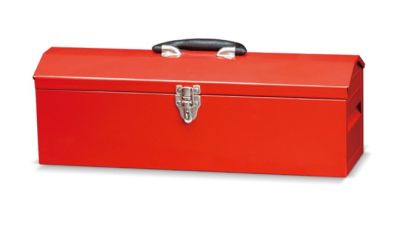
The Portable Metal Tool Box TBH019 responds to these needs with a durable 19-inch structure designed for convenient transportation and reliable storage. Its powder-coated finish helps provide added resistance to surface wear, while the sturdy top handle supports comfortable carrying from one location to another. The compact format makes it suitable for organizing hand tools, repair accessories, fasteners, and maintenance essentials while keeping frequently used equipment within reach. As tool storage products continue to develop toward more versatile and user-focused designs, a portable metal box such as the TBH019 can serve users who value straightforward access, solid construction, and dependable mobility.
Make an honest inventory. Group screwdrivers, pliers, wrenches, measuring tools, and specialty items separately. Count duplicates and damaged tools. Keep daily tools near the workbench.
Choose mobile storage when tools follow repair jobs. Select stationary storage for a dedicated workshop. Check wheels, handle position, drawer depth, and load capacity. Stability matters.
Leave room for future tools, but avoid oversized storage. Large drawers can hide small sockets and bits. I made that mistake once. It felt wasteful.
Use shallow drawers for small items and deep drawers for larger tools. Place heavy tools in lower drawers. Dividers, labels, or outlines improve identification.
Steel handles heavy loads but may rust and feel tiring. Aluminum is lighter but can dent. Plastic is portable, though thin panels may crack in cold weather.
Check hinge alignment, handle attachment, latch strength, corner protection, and seams. Open every latch. Test the handle with realistic weight. Small details matter.
Choose strong construction, balanced weight, and weather sealing. Keep tools dry whenever possible. A seal helps. It is not a substitute for dry storage.
Match price with tool weight, work frequency, and exposure. Occasional repairs may need a compact box. Frequent field work requires stronger construction and easier access. Appearance alone is a poor guide.
Choosing the right hand tool box starts with understanding your daily work and the tools you need to store. Consider whether you need a compact box for basic repairs or a larger solution for a broad collection of tools. Pay close attention to size, storage capacity, and overall weight so the box can hold your equipment without becoming difficult to carry. Material quality, construction, and durability are also important, especially if the box will be used frequently or transported between work locations.
A well-designed hand tool box should make organization simple through practical compartments, trays, or drawers that keep tools visible and easy to reach. Portability, secure closures, and convenient access can improve both safety and efficiency. Finally, compare useful features with the price and focus on what genuinely matches your working habits. The best choice is not always the largest or most advanced option, but the one that provides reliable storage, easy organization, and comfortable everyday use.