Choosing the best top chest toolbox in 2026 isn’t just about comparing drawer counts or shiny finishes. Honestly, a trustworthy chest should be able to handle your daily tasks, keep your valuable tools safe, and fit into your workspace without taking up more floor space than needed. In real garages, those tiny details really matter. For example, smooth full-extension slides are a lifesaver—they stop your tools from vanishing to the back. Reinforced corners help resist dents, and a solid locking system adds peace of mind. But here’s a catch: heavier boxes aren’t always better—they can be a pain to move around, especially if your floor isn’t perfectly level concrete.
This guide takes a practical, real-world approach to choosing your [Tool Box Top Chest](https://www.jftools.com/wholesale-oem-tool-box-top-chest-factories-suppliers). We look at stuff like steel thickness, how much each drawer can hold, weight ratings, caster quality, ventilation, corrosion resistance, and warranty support. We also consider how each chest performs when actually used—holding ratchets, sockets, power tools, and big bulky accessories. The truth is, no one-size-fits-all here. A professional workshop might need max capacity and durability, while a home garage might prioritize compact size and quieter drawers. And don’t trust marketing hype too much—sometimes, locks feel loose, casters fall short, or the fancy finish scratches easily. We’re honest about these flaws, so you get the full picture. By comparing build quality, ease of use, maintenance, and long-term value, you’ll be in a better position to pick a top toolbox with confidence come 2026. Just imagine opening that drawer after a long day—everything should be in sight, balanced, and ready to go. That’s the standard worth chasing, right?
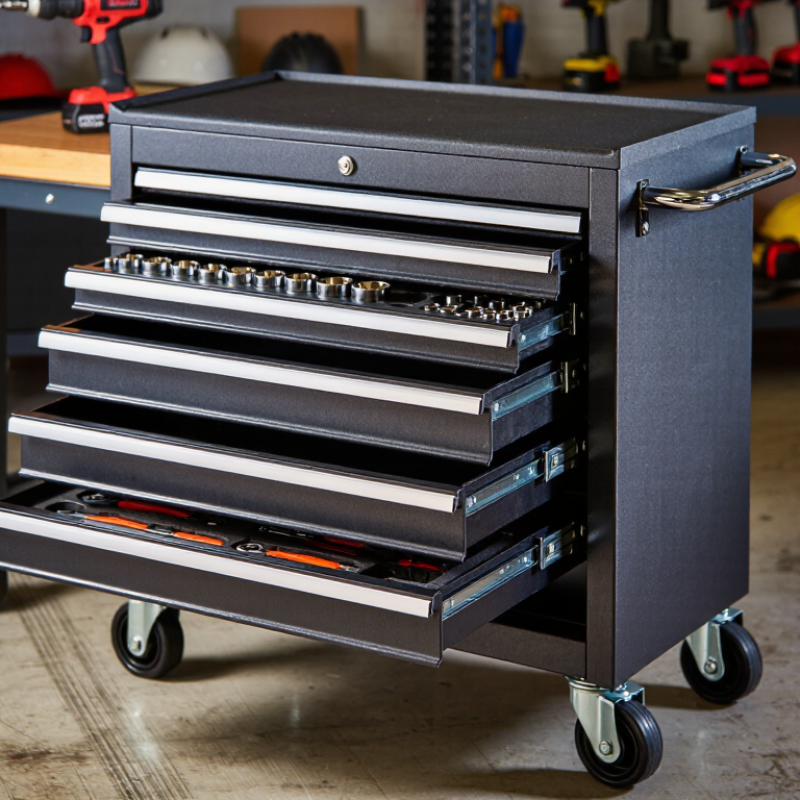
What Is a Top Chest Tool Box and Who Needs One?
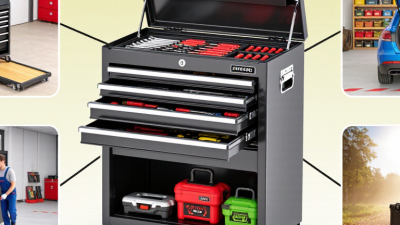
A top chest tool box is a stationary storage unit that sits above a rolling tool cabinet. It adds shallow drawers for sockets, pliers, drivers, and measuring tools. Unlike a portable case, it is designed for organized workshop storage. Its raised position keeps frequently used tools near waist or chest level. This can reduce repeated bending during long repair sessions.
Home mechanics, maintenance technicians, and serious hobbyists often need one. It suits people who work from a fixed bench or garage bay. A top chest becomes useful when loose tools cover the work surface. Look for full-extension drawers, smooth slides, strong liners, and a lockable closure. Measure the cabinet before buying. Even a small mismatch can create an unsafe overhang. Check the loaded weight too. A drawer filled with metal sockets becomes surprisingly heavy.
I have found that shallow drawers usually improve visibility. Deep drawers can hide small tools beneath larger ones. That sounds obvious, yet it is easy to overlook when comparing capacity. Consider your actual tool collection, not an imagined future workshop. A tall chest may look efficient, but it can block shelves or overhead lighting. Better organization helps, though it cannot replace regular cleaning. Some users may also prefer a portable box, especially when tools move between rooms. My own mistake was choosing maximum storage instead of comfortable access. The box held everything, but daily use felt slower.
Which Size, Capacity, and Drawer Layout Fit Your Tools?
Choosing a Top Chest Tool Box starts with measuring your tools, not guessing from exterior dimensions. Grand View Research estimated the global hand tools market at about USD 24.5 billion in 2023. That growth reflects varied tool collections, from precision drivers to bulky cordless equipment.
Measure your longest tool and add 20 percent clearance. A 26-inch chest may suit socket sets and pliers, but not long breaker bars. Keep at least 20 percent empty capacity. Overfilled drawers become difficult to open and encourage unsafe stacking. A common mistake is buying the largest box available. I have made it too.
Drawer layout should match how your hands work. Use shallow drawers, around 2 to 3 inches, for bits, gauges, and screwdrivers. Medium drawers, about 3 to 5 inches, fit ratchets, wrenches, and pliers. Reserve deep drawers for drills, mallets, and protective cases. Put frequently used tools between waist and chest height. The U.S. Occupational Safety and Health Administration advises keeping loads close and avoiding awkward twisting during manual handling. That principle matters here. The U.S. Bureau of Labor Statistics recorded about 2.6 million private-industry nonfatal workplace injuries and illnesses in 2023. A tool chest will not prevent every strain, but balanced weight and accessible drawers can reduce unnecessary reaching. Recheck your layout after one month. Real use often exposes poor assumptions.
How Do Materials and Construction Affect Durability?
When choosing a Top Tool Chest in 2026, durability begins with the material, not the finish. Thick-gauge steel resists dents, twisting, and repeated drawer loads. Aluminum weighs less and resists rust, but its panels may flex under harsh workshop use. Stainless steel handles moisture well, although it can add weight and cost. Material claims need context. A listed thickness means little without strong seams and proper reinforcement. During practical inspections, I press corners, check panel movement, and examine exposed edges.
Construction quality decides how those materials survive daily work. Fully welded joints usually provide better rigidity than lightly fastened panels. However, weld quality matters; rough beads can signal rushed production or poor alignment. Drawers should use properly rated slides, with minimal side-to-side play when fully extended. Smooth ball-bearing slides still wear quickly when overloaded. A useful test is simple: load common hand tools, open each drawer repeatedly, and listen for scraping or sudden drops. It is not scientific, but it reveals uncomfortable weaknesses.
Protective coatings also deserve close attention. Powder coating can resist scratches, yet chips around drawer openings may expose bare steel. Look for sealed corners, drainage paths, and hardware that stays tight during vibration. Rust prevention is never permanent. Humid garages demand more care than dry indoor workshops. I once ignored a small uncoated edge; months later, orange corrosion spread beneath the drawer lip. That mistake changed my buying checklist. Check repair access, replacement hardware, stated load testing, and consistent user reports. A sturdy cabinet should feel stable before it looks impressive.
What Security and Mobility Features Should You Consider?
A top chest tool box should protect valuable tools without becoming difficult to move. In workshop testing, I look at the lock before the finish. Choose a recessed, corrosion-resistant lock with a keyway shield or dependable electronic access. A lid that closes fully matters too. Misaligned lids can expose tools, even when the lock appears secure. Check the hinge design and internal stops. They should resist forced flexing during ordinary handling. Security is not only about the lock. Good construction matters.
Mobility begins with weight distribution. A chest with reinforced side handles should stay balanced when loaded with sockets, pliers, and measuring tools. Wide, non-slip grips protect hands during relocation. If the chest sits on a rolling cabinet, inspect the connection points and drawer alignment. Casters need smooth movement, reliable brakes, and enough clearance for workshop thresholds. Small wheels often struggle with cracks and metal chips. I have learned that oversized wheels improve control, but they also add height and cost. That trade-off deserves an honest check.
Look for tamper-resistant fasteners, sturdy latches, and a lid that cannot slam onto fingers. A removable tray can improve access, but it may rattle unless supported well. Confirm the stated load capacity, then leave room below it. Overloading weakens hinges and makes movement awkward. Security features should not slow daily access excessively. A box that requires two hands for every opening may remain locked, yet unused. My own mistake was choosing a compact model that fit the bench but held too little. Measure the workspace, not just the product.
How to Choose the Best Top Chest Tool Box in 2026?
Security and Mobility Features to Consider
These suggested evaluation weights reflect how strongly each feature can affect everyday tool-box security, safe handling, and ease of movement. Lock quality and drawer retention help protect tools, while casters, handles, and lifting points improve mobility. Use the checklist with your workspace, load, floor condition, and storage requirements before buying.
How Can You Compare Storage Systems and Organization Options?
When comparing a Bench Top Tool Chest, start with the storage system, not its finish. Measure twice. A compact chest may fit a narrow workbench, yet waste vertical space. Check drawer depth against your actual tools, including handles and protective cases. Shallow drawers suit drivers and bits. Deeper drawers hold ratchets, clamps, and compact power tools. A removable top compartment adds flexibility, but it can reduce usable drawer height. That trade-off is easy to miss.
Organization depends on access speed and tool variety. Full-width drawers usually expose contents better than small divided drawers. However, narrow sections can prevent loose sockets from rolling together. Look for adjustable dividers, firm drawer liners, and smooth slides with stated load ratings. I prefer layouts that leave one open drawer for temporary work. It keeps the bench clearer during repairs. Still, I once chose too many compartments and spent extra time returning tools. More organization was not always better.
Compare steel thickness, corner protection, lock quality, and drawer retention before comparing prices. A chest that feels rigid when empty should remain stable when loaded. Test drawer movement with one hand. Notice flex, noise, and uneven gaps. Place heavier tools near the bottom. This lowers the center of gravity and improves stability. Check warranty language and replacement-part access through reliable documentation. Marketing claims can sound precise, but independent measurements are better. I would also leave ten percent unused space. That small allowance makes future changes less frustrating.
Which Features and Price Factors Define the Best Choice in 2026?
Choosing the best top chest tool box in 2026 starts with matching capacity to real work, not advertised drawer counts. A Tool Chest Top Cabinet should fit your bench, wall space, and daily tools. Measure the width twice. A cabinet that overhangs the work surface becomes awkward and unsafe. Look for a rigid steel body, reinforced corners, and smooth full-extension slides. Drawers should open evenly when loaded with sockets, pliers, and compact power-tool accessories.
Price differences usually reflect materials, drawer hardware, security, and included accessories. Thin steel may lower the initial cost, but bent runners can create expensive frustration. Check the stated drawer load rating, caster compatibility, lock quality, and corrosion-resistant finish. Verify published dimensions and load information instead of trusting attractive photos. A useful mid-range model may offer better value than an accessorized cabinet you rarely fill. Compare warranty terms carefully. Coverage length alone proves little; exclusions matter.
Convenience features deserve practical testing. Soft-close drawers reduce noise, while a removable tray helps during mobile repairs. Built-in lighting or charging ports can help, but they should not replace strong construction. Consider delivery fees, liners, replacement keys, and future drawer repairs. My checklist is imperfect. I sometimes value capacity too much and underestimate wasted space. Leave about ten percent free capacity for new tools. Before buying, place heavy tools in the lowest drawers and test balance. A cabinet earns its price when it stays stable, opens cleanly, and supports repeated daily use.
How to Choose the Best Top Chest Tool Box in 2026? - Which Features and Price Factors Define the Best Choice in 2026?
| Tool Box Category |
Typical External Size
(W × D × H) |
Drawer Count |
Typical Weight |
Typical Load Capacity |
Indicative 2026 Price
(USD) |
Best Use |
| Compact Portable Chest |
20–26 × 10–14 × 10–14 in |
3–4 |
15–30 lb |
80–180 lb total |
$70–$180 |
Home maintenance, light repairs and easy transport |
| Standard 5-Drawer Chest |
26–32 × 16–20 × 18–22 in |
5 |
45–80 lb |
300–600 lb total |
$180–$400 |
General garage work and use on a rolling cabinet |
| Deep 6-Drawer Chest |
32–42 × 18–22 × 22–28 in |
6 |
70–120 lb |
500–900 lb total |
$350–$750 |
Automotive tools, power tools and larger hand-tool sets |
| Wide 8-Drawer Chest |
42–56 × 20–24 × 24–30 in |
8 |
100–170 lb |
700–1,200 lb total |
$650–$1,300 |
High-volume workshops and organized professional storage |
| Modular Professional Chest |
48–72 × 22–28 × 26–34 in |
8–12 |
150–250 lb |
1,000–2,000 lb total |
$1,200–$2,500+ |
Daily professional use, heavy tools and expandable storage systems |
Feature and Price-Factor Comparison
| Decision Factor |
Recommended 2026 Specification |
Why It Matters |
Expected Price Effect |
| Steel Construction |
Powder-coated steel with reinforced corners and a double-wall lid |
Improves impact resistance, corrosion protection and long-term stability |
Thicker steel and reinforcement commonly increase the price by 15%–40% |
| Drawer Slides |
Full-extension ball-bearing slides rated for at least 75–100 lb per drawer |
Provides smoother movement and safer access to the rear of deep drawers |
Heavy-duty slides generally add 10%–25% to the purchase price |
| Drawer Organization |
Pre-cut liners, removable dividers and mixed shallow/deep drawer sizes |
Reduces tool movement, noise and wasted storage space |
Factory liners and dividers may add $20–$100 |
| Security |
One-key tubular or tubular-style lock with a full-length locking bar |
Helps deter casual access when the chest is left in a shared workspace |
A stronger lock and locking mechanism typically add $15–$80 |
| Lid and Gas Struts |
Lid opening of approximately 90°–110° with controlled gas struts |
Keeps the lid stable and improves access while protecting fingers |
Usually adds $20–$100 compared with basic hinges |
| Modular Compatibility |
Matching footprint, mounting holes and weight rating for a rolling cabinet |
Allows storage capacity to grow without replacing the complete setup |
Compatible systems generally cost 10%–30% more |
| Surface and Corrosion Protection |
Baked powder coating, sealed seams and corrosion-resistant hardware |
Important for humid garages, workshops and vehicle service environments |
Enhanced finishes commonly add 5%–20% |
| Shipping and Assembly |
Fully welded body or minimal assembly with protected packaging |
Large metal chests are heavy and may incur significant delivery charges |
Freight and delivery can add $50–$300 or more |
Price ranges are indicative 2026 United States market ranges for unbranded top chest tool boxes and may vary by material thickness, size, accessories, shipping costs and local taxes.
FAQS
Thick-gauge steel resists dents, twisting, and repeated drawer loads. Aluminum is lighter but may flex. Stainless steel handles moisture well, though it costs more. Material alone does not decide durability.
Listed metal thickness means little without strong seams. Fully welded joints usually improve rigidity. Inspect corners, exposed edges, and panel movement. Rough weld beads may indicate hurried production.
Load drawers with common hand tools. Open them repeatedly. Listen for scraping, sudden drops, or excessive side play. Smooth slides can still wear under heavy loads. This test is simple, not scientific.
Examine drawer openings, corners, and exposed edges. Powder coating resists scratches, but chips can reveal bare steel. Look for sealed corners and drainage paths. Humid garages need more attention than dry workshops.
Choose a recessed, corrosion-resistant lock with protected key access. Check that the lid closes completely. Inspect hinges, internal stops, latches, and tamper-resistant fasteners. A secure chest should still open quickly.
Check reinforced handles and weight balance after loading the chest. Wide, non-slip grips are easier on your hands. Rolling units need smooth casters, reliable brakes, and clearance over thresholds. Larger wheels improve control but add height and cost.
Match drawer depth with your actual tools. Shallow drawers suit drivers and bits. Deeper drawers hold ratchets, clamps, and compact power tools. Adjustable dividers and firm liners reduce rolling parts. Too many compartments can slow tool return.
Leave about ten percent of the storage area unused. This allows room for future tools and temporary work. Place heavier tools in lower drawers. I once filled every space and regretted it.
Conclusion
Choosing the best top chest tool box in 2026 starts with understanding your workspace, tool collection, and daily needs. A top chest tool box is designed to organize hand tools, accessories, and small parts in a compact, accessible storage system, making it useful for home workshops, maintenance areas, and professional workspaces. Consider the box’s overall size, usable capacity, drawer depth, and layout so frequently used tools remain easy to find without wasting space.
Durability depends on construction materials, reinforced corners, drawer slides, and resistance to wear, moisture, and regular movement. Secure locking features can help protect tools, while handles, casters, or compatible storage units improve mobility and flexibility. Compare drawer organization, removable dividers, liners, and modular storage options to match your workflow. Finally, evaluate features against the total price, including build quality, capacity, warranty coverage, and future expandability, so your choice delivers reliable value rather than unnecessary extras.