Leave Your Message
0%

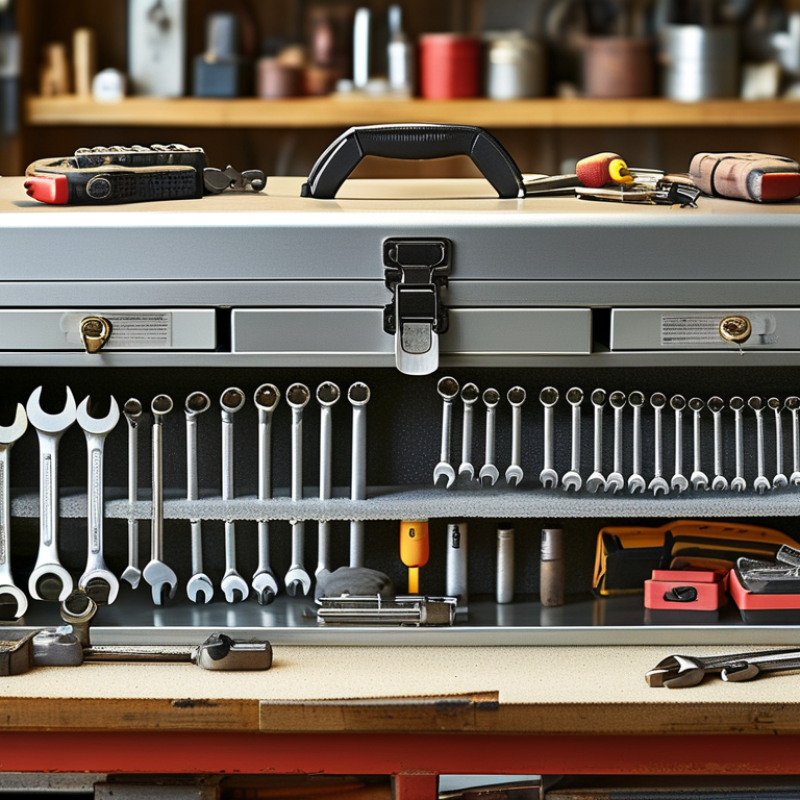
A Lockable Tool Chest is more than just a metal box with a key — it’s actually a smart way to keep your tools, measuring equipment, and small maintenance supplies organized and secure. Think about your workshop for a sec: maybe a wrench set neatly arranged in foam, a drill sitting snugly inside a fitted drawer, and at the end of the day, locking everything up to keep it all safe. That little routine isn’t just about tidiness — it helps prevent tools from getting lost and makes it clear who’s responsible for handling certain equipment.

According to the U.S. Bureau of Labor Statistics, there were about 2.6 million nonfatal injuries or illnesses at work in the private sector in 2023. Not every incident is caused by bad tool storage, but clutter, falling objects, or rushing to grab something can definitely increase risks. OSHA’s regulation 29 CFR 1910.176(b) states that stored materials shouldn’t pose hazards, and a good lockable chest plays a big part in making sure of that — especially in garages, construction sites, service trucks, and industrial maintenance spots.

A solid lockable tool chest isn’t just about staying organized — it’s also about accountability and saving you time. Features like full-extension drawers, reinforced wheels, finishes that resist rust, and a sturdy locking bar are more important than how shiny it looks. The Tool and Equipment Institute stresses the importance of caring for your gear, inspecting it regularly, and handling tools responsibly across maintenance jobs. But, fair warning: a chest isn’t a magic fix. A cheap lock, a drawer that's overloaded, or a unit that’s not anchored down properly can give a false sense of security — or even slow you down when you need quick access for repairs. Picking the right size, drawer setup, mobility options, and security level really boils down to practical judgment. This guide will walk you through what a lockable tool chest is, how it works, and when it makes sense to invest in one.
What Is a Lockable Tool Chest and Why Do You Need One?

What Defines a Lockable Tool Chest? Key Components and Functions

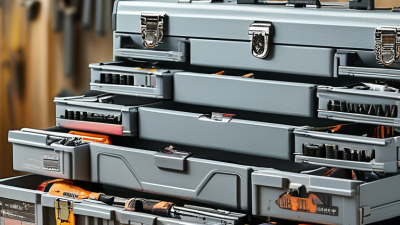
A Lockable Tool Box is a storage cabinet designed to control access and protect tools from everyday damage. Its defining feature is the locking system, usually built into a hinged lid, drawer bank, or sliding door. A reliable lock should engage smoothly and resist accidental opening during movement. I always test the latch with one hand, because stiff mechanisms become frustrating in busy workshops.

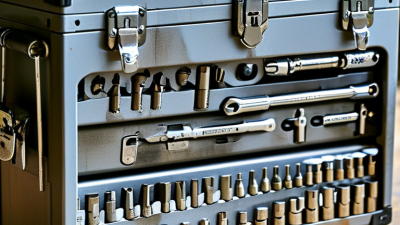
The outer shell usually uses steel or reinforced aluminum, while drawers may include coated runners for smoother operation. Deep drawers hold drills and hammers, while shallow compartments suit bits, wrenches, and measuring tools. A fitted liner reduces rattling when the chest rolls across a concrete floor. That detail matters. Some models also include casters, side handles, and a raised working surface. Check the load rating carefully; a full drawer can weigh far more than it appears.

Good design balances security with daily access. A lockable chest should limit unauthorized handling without slowing routine work. Internal dividers help keep sharp edges away from delicate equipment. Weather-resistant seals can reduce dust and moisture entry, although they rarely make a chest fully waterproof. I once underestimated how quickly fine metal dust collects around drawer rails. Regular cleaning still matters. The best choice depends on tool weight, available floor space, and how often the chest moves. A large cabinet may offer impressive capacity, yet become awkward in a narrow workspace.

How Lock Mechanisms Work: Keyed, Combination, and Electronic Systems

A lockable tool chest protects valuable tools from casual access, dust, and workshop confusion. Its lock mechanism matters because each system behaves differently during daily use.

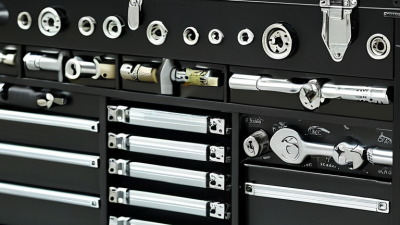
Keyed locks are familiar and dependable. Insert the key, turn the cylinder, and the steel latch secures the drawers. They work well when several people need controlled access, but lost keys can cause delays.

Combination locks remove the key problem. A user enters a number sequence through rotating dials or a push-button panel. They suit shared work areas, although greasy fingers may make small dials difficult to read.

Electronic systems use a code, card, or fingerprint sensor. They offer quick entry and access records on some models. However, batteries can fail at an inconvenient moment.

No mechanism is perfect. I have learned that convenience often creates another maintenance task.

Tips: Choose a keyed system for simple, low-maintenance storage. Select a combination lock when multiple users need access without carrying keys. Consider an electronic lock only when rapid entry or usage tracking matters. Test the mechanism with clean hands and fully loaded drawers. A heavy drawer can strain the latch if the chest is uneven. Keep a spare key or fresh battery available, but store it away from the chest. Check the lock monthly for stiff movement, loose screws, or worn seals. Small faults become expensive when ignored.

Tool Chest Materials: Comparing 18-, 20-, and 22-Gauge Steel

A lockable tool chest is a steel storage unit with drawers, compartments, and a locking mechanism. It keeps hand tools organized and discourages casual access. A Lockable Tool Cart adds mobility, making it useful beside a workbench or service area. The steel gauge strongly affects its durability, weight, and price. Lower gauge numbers indicate thicker steel.

Eighteen-gauge steel is the heaviest option in this comparison. It resists dents and supports heavier tools, such as impact sockets or thick pipe wrenches. It also adds weight, which can make the chest difficult to move. Twenty-gauge steel offers a practical balance for home workshops and light professional use. Its drawers should still have reinforced tracks and firm welds. Twenty-two-gauge steel is lighter and often more affordable. However, thin panels may flex under pressure or dent when overloaded.

I once underestimated drawer construction and focused only on gauge. That was a mistake. Steel thickness matters, but frame design matters too. Check the drawer slides, corner joints, caster quality, and lock alignment. A strong lock cannot compensate for a weak cabinet body. For damp garages, inspect the coating carefully and avoid leaving metal dust on the surface. Even an 18-gauge chest can develop corrosion when moisture remains trapped inside. A moderate 20-gauge model may serve better when mobility and budget matter. Think about the tools you actually own, not the tools you might buy.

Storage Capacity: Drawer Load Ratings and ANSI/ASME BTH-1 Principles

A Lockable Tool Cabinet is more than a steel box with a key. Its drawer capacity determines whether tools remain organized or become a costly, unstable pile.

Check each drawer’s load rating, not only the cabinet’s total capacity. A drawer rated for 100 pounds may hold sockets safely when evenly distributed. It may fail sooner when heavy tools sit at the front.

I have seen this small mistake bend slides and prevent full closure.

ANSI/ASME BTH-1 applies to below-the-hook lifting devices, not ordinary tool cabinets. However, its principles offer a useful engineering perspective. Rated capacity should match real service conditions, repeated use, uneven loading, and safety margins.

Look for clear documentation, testing information, and stated drawer ratings. A cabinet designed for occasional light use needs different assumptions than one opened hundreds of times daily.

Do not treat a published number as permission to overload it. Some ratings also depend on the drawer being fully extended or evenly loaded. That detail is easy to miss.

Measure your heaviest tools before buying. Place dense items in lower drawers, and keep lighter equipment above. Lock the drawers before moving the cabinet.

Caster capacity matters too. My own practice is conservative, perhaps overly so: leave visible space and avoid storing heavy tools near the front edge. It costs a little capacity. It reduces unpleasant surprises.

Workplace Safety and Secure Storage Under OSHA 29 CFR 1910.176

What Is a Lockable Tool Chest and Why Do You Need One?

Workplace Safety and Secure Storage Under OSHA 29 CFR 1910.176

A lockable tool chest is a steel or heavy-duty storage unit with compartments, drawers, and a locking mechanism. It keeps tools organized, protected, and separated from walkways. OSHA 29 CFR 1910.176 does not specifically require lockable chests. However, it requires stored materials to remain secure and not create hazards through falling, sliding, or collapse.

That distinction matters. A chest cannot replace safe stacking, clear aisles, or proper housekeeping. It supports them. OSHA’s Materials Handling and Storage guidance emphasizes stable storage and unobstructed passageways. The U.S. Bureau of Labor Statistics reported 2.6 million nonfatal workplace injuries in private industry during 2023. Not every incident involves storage, but loose tools can add trip, impact, and manual-handling risks.

In a busy maintenance area, an unlocked drawer may stay open, while a wrench can roll beneath a pallet jack. A lockable chest reduces that exposure after shifts and during shared work periods. It also helps control sharp tools and improves accountability without slowing routine access. Locking every drawer may be unnecessary. That is where judgment matters. A site review should consider tool value, worker traffic, shift patterns, and emergency access. Record the inspection, correct blocked aisles, and reassess the arrangement when equipment changes.

What Is a Lockable Tool Chest and Why Do You Need One? - Workplace Safety and Secure Storage Under OSHA 29 CFR 1910.176

Data Dimension Practical Description Workplace Safety Relevance OSHA 29 CFR 1910.176 Connection
Definition A lockable tool chest is a cabinet, box, or rolling storage unit with a lockable lid, drawer, door, or hasp designed to organize and restrict access to tools and small equipment. It helps prevent unauthorized use, loss, tampering, and unsafe access to sharp, heavy, electrical, or specialized tools. The regulation addresses safe material storage and workplace conditions; it does not specifically require a lockable tool chest.
Primary Storage Purpose Keep tools contained, arranged, identifiable, and protected when they are not in use. Organized storage reduces searching, clutter, dropped objects, and contact with exposed tool edges. Stored materials must not create a hazard, consistent with 29 CFR 1910.176(b).
Access Control A keyed, combination, or electronic lock limits access to authorized personnel. Useful where tools could be misused, removed without authorization, or accessed by untrained workers or visitors. 1910.176 does not prescribe a specific lock type; employers should select controls based on the workplace hazard assessment.
Sharp and Pointed Tools Knives, chisels, punches, blades, and similar tools should be stored in closed compartments or with protective covers where appropriate. Closed storage helps reduce cuts, punctures, and accidental contact during movement or housekeeping. Supports the requirement to keep stored materials from creating hazards under 29 CFR 1910.176(b).
Heavy Tools and Drawers Heavy tools should be placed in lower drawers or compartments, and drawers should remain closed when the chest is moved. Lower placement improves stability and reduces the risk of tipping, falling objects, and struck-by injuries. Consistent with safe stacking and storage principles in 29 CFR 1910.176(b).
Aisle and Passageway Clearance Position the chest so it does not obstruct designated aisles, exits, access routes, fire equipment, electrical panels, or emergency equipment. Clear routes reduce trips and collisions and preserve access during emergencies. 29 CFR 1910.176(a) requires sufficient safe clearances where mechanical handling equipment is used; 1910.176(c) addresses clearance for fire protection equipment, aisles, and passageways.
Stability and Load Capacity The chest should be placed on a stable, level surface and loaded within the manufacturer’s rated capacity. Proper loading helps prevent tipping, structural failure, uncontrolled rolling, and falling tools. Safe storage practices support 29 CFR 1910.176(b), which prohibits storage arrangements that create hazards.
Mobility and Wheel Locks A rolling chest should have functioning casters and wheel brakes or another method of preventing unintended movement. Securing the unit helps prevent collisions, runaway movement, and injuries caused by shifting equipment. The regulation does not specify caster or brake designs, but safe placement is relevant to the general storage-hazard requirement in 1910.176(b).
Housekeeping Remove oil, metal chips, scrap, packaging, and damaged tools from the chest and surrounding floor area. Good housekeeping reduces slip, trip, fire, contamination, and tool-damage risks. 29 CFR 1910.176(d) requires housekeeping in storage areas to minimize hazards.
Inspection Frequency Inspect locks, hinges, handles, drawer slides, casters, brakes, labels, and structural components at defined intervals and after damage. Early detection helps prevent equipment failure and unsafe storage conditions. 1910.176 does not establish a universal inspection schedule; the employer should establish one based on use and risk.
Best-Fit Applications Maintenance areas, fabrication spaces, machine shops, construction support areas, utility rooms, and other locations where tools require controlled storage. Particularly useful when multiple shifts, contractors, visitors, or high-value and hazardous tools are present. Use a lockable chest as one element of a broader workplace hazard-control and housekeeping program.
Compliance note: OSHA 29 CFR 1910.176 does not expressly require every workplace to use a lockable tool chest. The appropriate storage method depends on the tools, work activities, access risks, layout, and documented hazard assessment.

Choosing the Right Tool Chest for Theft Prevention and Jobsite Mobility

What Is a Lockable Tool Chest and Why Do You Need One?

A lockable tool chest protects expensive equipment during breaks, overnight storage, and vehicle loading. On active jobsites, loose tools often disappear beneath dust, packaging, and hurried movement. A secure drawer system adds control, but no chest removes every risk. The NICB reported 1,020,729 stolen vehicles in the United States during 2023. That figure concerns vehicles, not tools, yet it shows why unattended mobile assets deserve attention. Choose a hardened lock, concealed hinges, and drawers that resist forced prying. A visible serial-number log also improves recovery chances, although recovery is never guaranteed.

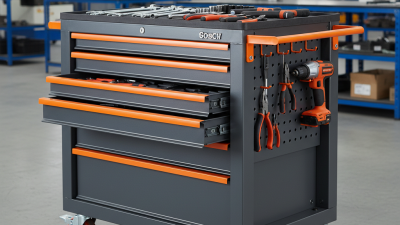
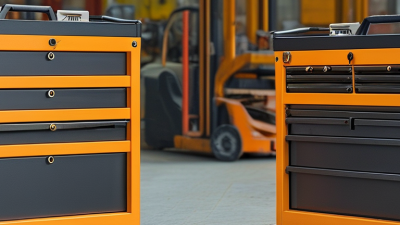
Jobsite mobility matters just as much. A Lockable Tool Trolley should roll smoothly across concrete, ramps, and uneven thresholds. Look for large casters, a practical handle height, and brakes that hold under load. Weight matters. An overloaded trolley can tip when turning sharply. The U.S. Bureau of Labor Statistics recorded 5,283 fatal work injuries in 2023, including 1,075 in construction. Those figures do not identify tool-trolley incidents, but they reinforce careful movement around workers, vehicles, and materials. Test the trolley fully loaded before daily use.

Tips: Count tools before leaving. Lock every drawer. Photograph valuable equipment. Keep heavy items low. Avoid storing one critical tool in an exposed top tray. Check wheel bolts weekly. I would also question glossy finishes; they look professional, but scratches and dust can hide maintenance problems. Practical security usually beats appearance.

What Is a Lockable Tool Chest and Why Do You Need One?

U.S. property crime rate as a context for theft prevention and jobsite mobility

The U.S. property crime rate was approximately 2,019 offenses per 100,000 residents in 2023. While this national statistic is not specific to tools or jobsites, it highlights why valuable equipment should be secured when unattended. A lockable tool chest can help limit unauthorized access, while wheels and compact construction support easier movement between storage areas and work locations.

Source: FBI Crime Data Explorer, estimated U.S. property crime rates, 2019–2023. Values are rounded offenses per 100,000 residents.

FAQS

: What is a lockable tool chest?

: It is a storage cabinet with drawers, compartments, and a locking system. It protects tools and controls access.

How does the locking system work?

The lock may secure a hinged lid, drawer bank, or sliding door. It should close smoothly and resist opening during movement.Test it with one hand.

Which steel gauge is most durable?

Eighteen-gauge steel is thickest and resists dents from heavy tools. It also makes the chest heavier and harder to move.

Is 20-gauge steel suitable for regular workshops?

Usually, yes. It balances strength, weight, and cost for home workshops or lighter professional use.Check the frame too.

What are the weaknesses of 22-gauge steel?

It is lighter and often less expensive. Thin panels may flex or dent when drawers are overloaded.Use realistic tool weights.

What features improve daily tool access?

Smooth drawer runners, fitted liners, internal dividers, side handles, and casters improve routine use.Deep drawers suit drills and hammers. Shallow drawers suit bits and wrenches.

Does a lockable chest prevent all workplace storage hazards?

No. It helps secure tools, but it cannot replace clear aisles, stable stacking, or regular housekeeping.That distinction matters.

Can a lockable tool chest become damaged by moisture?

Yes. Seals can reduce dust and moisture entry, but they rarely make the chest waterproof.Dry trapped moisture and remove metal dust regularly.

How should I choose the right tool chest?

Consider tool weight, floor space, movement frequency, drawer construction, caster quality, and lock alignment.I once focused only on steel thickness. That was a mistake.

Conclusion

A lockable tool chest is a secure, organized storage unit designed to protect tools while keeping them accessible for daily work. Its main features typically include sturdy steel construction, full-extension drawers, reinforced frames, and a locking system that limits unauthorized access. Keyed locks provide simple, dependable security, combination locks avoid the need for keys, and electronic systems may offer convenient access control. Steel gauge also affects durability: 18-gauge steel is generally stronger, while 20- and 22-gauge options can provide lighter weight and easier mobility.

When choosing a tool chest, consider drawer load ratings, total storage capacity, and how the unit supports safe handling principles reflected in ANSI/ASME BTH-1. Properly secured tools can help reduce clutter, prevent falling objects, and support organized workplaces consistent with OSHA 29 CFR 1910.176. For theft prevention and jobsite mobility, look for durable casters, stable construction, reliable brakes, and a lock suited to the working environment. The right balance of strength, capacity, security, and portability makes a tool chest a practical long-term investment.
Isabella

Isabella

Isabella is a dedicated marketing professional with a profound expertise in workbench and tool storage solutions. With extensive knowledge of the industry, she plays a pivotal role in showcasing the company’s commitment to providing robust and reliable storage options for professionals across the......
Previous China Top Roller Chest Tool Boxes Wholesale?