Importing a Garage Tool Box from China isn't just about who has the lowest price. You've really got to dig into things like factory experience, the steel they use, how the drawers feel and hold up, and whether they can actually handle exports reliably. This guide walks through ten Chinese manufacturers that work with professional workshops, distributors, retailers, and industrial buyers. But don't just trust pretty catalog photos - check each company against real, verifiable info.
The focus here is practical. Think cold-rolled steel thickness, powder coating consistency, drawer load ratings, lock quality, caster strength, and how well everything fits together. Packaging matters too. One banged-up corner or a bent drawer can turn a good deal into a costly headache. Before you commit, ask for samples, factory videos, test reports, and clear production specs. And don't be shy about asking direct questions on OEM branding, spare parts, warranty support, and container loading.
No ranking is ever perfect. Supplier capacity shifts. A strong factory can still drop the ball on communication or packaging during peak season - that's a real risk. So treat the manufacturers here as possible sourcing partners, not automatic picks. Compare quotes, look at production controls, and confirm lead times that actually make sense. A useful Garage Tool Box has to survive repeated opening, heavy tools, workshop dust, and everyday moving around. The best supplier isn't always the cheapest. Often, stable quality and responsive service do more to protect your margins than a lower unit price. Think of this as a practical starting point for digging deeper into supplier evaluation.
What Makes China’s Garage Tool Box Manufacturers Stand Out
China’s strongest advantage is not simply low pricing. It is production depth.
UNIDO’s International Yearbook of Industrial Statistics 2023 places China’s share of global manufacturing value added at about 31.6% in 2022. World Steel Association data reports 1,019 million tonnes of Chinese crude steel production in 2023. That scale supports stable sourcing for drawers, frames, hinges, and powder-coated panels.
In practice, importers should request material certificates, weld samples, coating-thickness records, and load tests. Small details matter. A drawer should open smoothly after repeated cycling, not only look clean in a showroom.
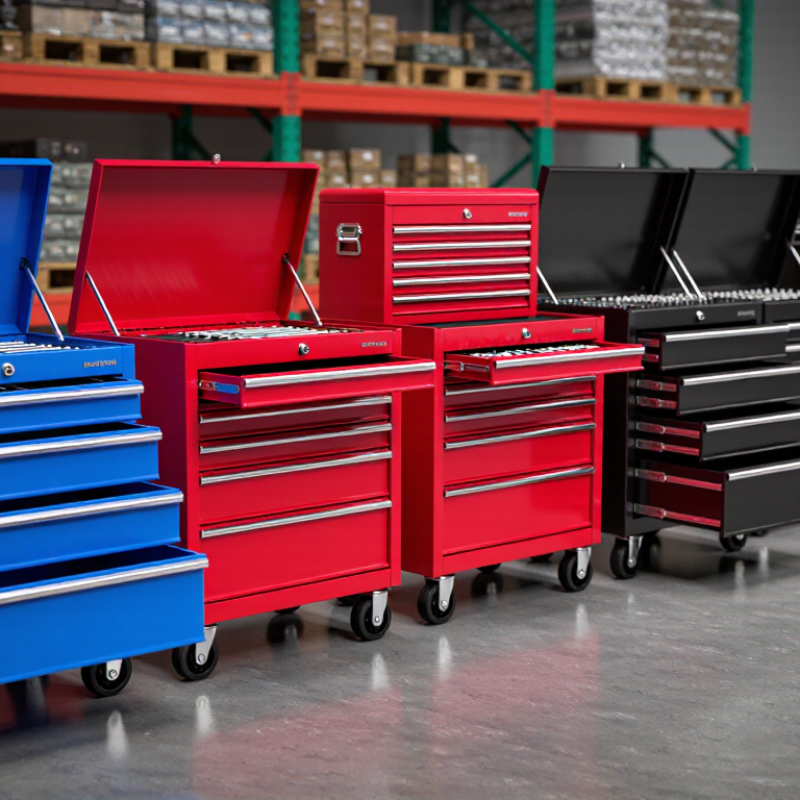
Many capable factories combine laser cutting, robotic welding, and modular assembly. This helps them produce
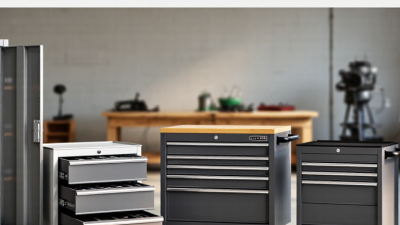
Garage Tool Box Cabinets
in different widths, colors, layouts, and caster configurations.
Customization is another clear differentiator. Manufacturers can adjust carton protection, instruction sheets, pallet sizes, and shipping marks for different markets. Yet flexibility needs discipline. A low minimum order may hide weaker inspection controls or inconsistent steel gauges.
Importers should compare approved samples with pre-shipment units and record measurable tolerances. ISO’s Survey of Certifications 2022 recorded 1,265,216 ISO 9001 certificates worldwide, but certification alone cannot prove cabinet durability.
Ask for the actual audit scope. Ask again. Reliable suppliers explain steel grade, surface treatment, hardware cycles, spare-part availability, and corrective-action timing.
Digital production tracking improves traceability, although smaller workshops may still rely on handwritten records. That is not automatically unacceptable, but it deserves verification.
How the Top 10 Chinese Garage Tool Box Manufacturers Are Selected
Selecting China’s top 10 garage tool box manufacturers requires more than comparing catalog photographs. The process begins with factory experience, production capacity, and verified export records. Auditors review steel thickness, welding points, drawer alignment, and powder-coating consistency. Details matter. A sample unit is opened repeatedly to test slide durability and load stability. Measurements are recorded, not guessed.
Quality control also shapes the ranking. Reliable manufacturers should provide incoming-material checks, in-process inspections, and final packing reports. Inspectors examine sharp edges, loose handles, uneven coatings, and damaged corners. Packaging receives practical attention. A tool box may travel thousands of miles, face humidity, and experience rough handling. Carton strength, corner protection, and pallet arrangement therefore matter. Records matter.
Commercial reliability is assessed alongside hardware quality. The review considers minimum order quantities, customization control, production lead times, spare-part support, and response speed. Clear communication reduces costly errors in colors, drawer layouts, labels, and shipping documents. Factory visits or independent audits add stronger evidence than online claims. No manufacturer scores perfectly. A supplier may offer excellent welding but weaker packaging, or fast delivery with limited customization. Those weaknesses should remain visible, because honest selection is more useful than polished promotion. Past buyer feedback, corrective-action records, and repeat-order performance help confirm whether promises survive real business conditions.
China Top 10 Garage Tool Box Manufacturers for Importers? - How the Top 10 Chinese Garage Tool Box Manufacturers Are Selected
An anonymized procurement comparison based on manufacturing capability, product quality, export readiness, customization support, and commercial terms.
Evaluation framework: weighted score out of 100. The supplier identifiers are anonymized, and the figures are procurement-screening data rather than brand claims.
| Rank |
Supplier ID |
Primary Production Base |
Core Product Range |
Typical Steel Thickness |
Static Load Capacity |
Export Experience |
Customization |
Quality System Evidence |
Typical MOQ |
Indicative Lead Time |
Selection Score |
| 1 |
Supplier 01 |
Zhejiang |
Rolling cabinets, workbenches, drawer units |
0.8–1.2 mm |
600–900 kg |
15+ years |
High: dimensions, colors, layouts |
ISO 9001; incoming and final inspection |
50 units |
30–45 days |
92/100 |
| 2 |
Supplier 02 |
Jiangsu |
Modular cabinets, tool chests, carts |
0.7–1.0 mm |
500–800 kg |
12+ years |
High: colors, handles, packaging |
ISO 9001; process inspection records |
100 units |
35–50 days |
89/100 |
| 3 |
Supplier 03 |
Guangdong |
Compact tool boxes, service carts, cabinets |
0.6–1.0 mm |
400–700 kg |
10+ years |
Medium-high: graphics and packaging |
Factory audit; batch inspection reports |
100 units |
30–45 days |
87/100 |
| 4 |
Supplier 04 |
Shandong |
Heavy-duty cabinets, workstations, lockers |
0.8–1.5 mm |
700–1,000 kg |
9+ years |
Medium: structural modifications |
ISO 9001; coating and load tests |
50 units |
40–55 days |
85/100 |
| 5 |
Supplier 05 |
Fujian |
Portable boxes, stackable cases, carts |
0.6–0.9 mm |
300–600 kg |
8+ years |
High: inserts and outer packaging |
Factory audit; pre-shipment inspection |
200 units |
30–45 days |
83/100 |
| 6 |
Supplier 06 |
Hebei |
Steel cabinets, drawer modules, shelves |
0.7–1.2 mm |
500–850 kg |
7+ years |
Medium: dimensions and color |
Documented final inspection process |
100 units |
35–50 days |
81/100 |
| 7 |
Supplier 07 |
Anhui |
Entry-level cabinets, carts, pegboards |
0.6–0.9 mm |
300–550 kg |
6+ years |
Medium: packaging and colors |
Incoming and pre-shipment checks |
200 units |
30–45 days |
79/100 |
| 8 |
Supplier 08 |
Hunan |
Workshop benches, cabinets, tool panels |
0.7–1.0 mm |
400–700 kg |
5+ years |
Medium: layout and accessories |
Basic quality manual; batch records |
100 units |
40–55 days |
77/100 |
| 9 |
Supplier 09 |
Jiangxi |
Compact cabinets, tool carts, storage racks |
0.6–0.9 mm |
300–600 kg |
5+ years |
Low-medium: standard modifications |
Pre-shipment inspection available |
200 units |
35–50 days |
75/100 |
| 10 |
Supplier 10 |
Henan |
Basic tool boxes, cabinets, utility carts |
0.5–0.8 mm |
250–500 kg |
4+ years |
Low-medium: color and packaging |
Basic incoming and final inspection |
300 units |
40–60 days |
73/100 |
Manufacturing Capability — 25%
Assesses production range, forming equipment, welding consistency, coating capacity, and structural load performance.
Quality and Durability — 25%
Reviews steel thickness, drawer operation, corrosion protection, load testing, inspection procedures, and defect control.
Export Readiness — 20%
Considers export experience, packaging standards, documentation, container loading, and communication response time.
Commercial Fit — 15%
Compares MOQ, lead time, payment flexibility, sample support, and cost competitiveness for importers.
Customization and Compliance — 15%
Evaluates OEM/ODM support, private packaging, technical drawings, product labeling, and compliance documentation.
Profiles of China’s 10 Leading Garage Tool Box Manufacturers
China Top 10 Garage Tool Box Manufacturers for Importers?
Profiles of China’s 10 Leading Garage Tool Box Manufacturers
China’s garage tool box sector serves workshops, distributors, and online retailers. Grand View Research reported steady growth in the global tool storage products market, supported by professional repair demand and home workshop use. The report also highlights modular storage and durable materials as important purchasing factors.
The ten leading manufacturer profiles show different strengths. One focuses on welded steel roller cabinets. Another produces compact tool chests for small garages. A third specializes in stainless steel workstations. A fourth offers modular cabinets with interchangeable drawers. A fifth targets heavy-duty industrial storage. Another develops portable cases with reinforced corners. One factory supports private-label color matching. Another emphasizes flat-pack shipping. A further supplier provides customized foam inserts. The final profile combines cabinets, pegboards, and mobile workbenches.
Factory visits reveal useful details. Check drawer alignment under load. Inspect powder coating around welded corners. Ask for salt-spray and load-test records. The International Organization for Standardization stresses consistent quality controls, yet certificates alone cannot prove daily production quality. That point is easy to overlook.
Tips: Request a sample before negotiating volume. Measure internal drawer depth, not only cabinet size. Confirm carton drop-test results and replacement-part support. Importers should compare steel thickness, caster quality, packaging, and lead time together. A cheaper cabinet may create higher service costs. I would not trust unusually low quotations without checking material specifications.
Key Product Types and Customization Options for Importers
Importers comparing China’s top garage tool box manufacturers should begin with product architecture, not catalog size. Common options include rolling cabinets, modular drawer chests, wall-mounted panels, and the compact Garage Tool Cart. Each serves a different workshop. A seven-drawer cart suits mobile technicians, while a deep steel cabinet handles power tools and bulky parts. MarketsandMarkets estimated the global hand tools market at about USD 24.7 billion in 2024, with steady growth expected through 2029. That demand supports broader interest in organized storage.
Customization often decides the real buying value. Importers can request cold-rolled steel, aluminum, or reinforced polymer bodies. Powder coating improves surface durability. Full-extension slides, anti-slip liners, locking systems, caster sizes, and drawer load ratings also matter. A 100 mm caster may roll smoothly on concrete, but fail on uneven warehouse flooring. Internal dividers, pegboards, foam inserts, and custom colors help match professional users’ workflows. Packaging deserves attention too. Corner guards and moisture barriers reduce damage during long sea transport.
Do not trust appearance alone. Ask for load tests, salt-spray results, weld inspection records, and sample approval before mass production. ISO 9001 certification can support process reliability, but it does not replace independent inspection. Grand View Research identifies expanding professional tool demand as a market driver, yet forecasts are not purchase guarantees. I have seen attractive carts arrive with thin drawer bases and weak handles. That mistake is expensive. A small pilot order may reveal more than a polished brochure.
Quality Standards, Certifications, and Factory Inspection Steps
For importers comparing China’s top ten garage tool box manufacturers, quality evidence matters more than catalog photos. Look for cold-rolled steel, consistent sheet thickness, smooth drawer movement, and accurate dimensions. Ask for material reports, coating specifications, and production records. A reliable factory should explain its quality controls clearly, not hide behind vague claims.
Certifications require careful checking. ISO 9001 can show a documented management system, but it does not guarantee every toolbox is perfect. Verify the certificate number, issuing body, validity period, and covered factory address. Request test results for load capacity, drawer cycles, corrosion resistance, weld strength, and locking performance. During a factory inspection, walk through incoming-material storage, cutting, bending, welding, painting, assembly, and final packing. Measure random units. Open every drawer. Check caster alignment and inspect hidden welds. Small defects often appear there.
Tips: Bring a detailed inspection checklist and compare samples with approved drawings. Photograph measurements and record carton conditions. Ask workers how rejected parts are handled. Their answers may reveal more than polished documents. Do not rely on one successful sample; repeat inspections before shipment. I have seen attractive finishes conceal weak drawer slides, so appearance alone remains an imperfect judgment. Leave room for corrective action, because even disciplined factories can miss a detail.
China Top 10 Garage Tool Box Manufacturers for Importers?
Quality Standards, Certifications, and Factory Inspection Steps
This chart uses the ANSI/ASQ Z1.4 and ISO 2859-1 General Inspection Level II sampling structure with an AQL 1.5 reference. Sample size increases with the production lot size and should be combined with checks for ISO 9001 quality systems, material traceability, welding quality, coating performance, dimensions, load capacity, hardware function, packaging, and final random inspection. Certification and test requirements should be verified for each product specification and destination market.
Pricing, Minimum Orders, and Import Costs to Evaluate
China’s Top 10 Garage Tool Box Manufacturers for Importers
When comparing China’s top garage tool box manufacturers, price should not be your only filter. A basic
Garage Tool Chest
may cost less, but thinner steel, weaker drawer slides, or poor powder coating can create expensive complaints. Ask for steel thickness, load capacity, packaging details, and sample photos before placing a production order. Many factories quote based on quantity, finish, drawer layout, and hardware. A realistic minimum order may range from 50 to 200 units, while custom colors or logos can require higher quantities. Confirm whether the quoted price is EXW, FOB, or another trade term.
Import costs extend beyond the factory invoice. Estimate inland transport, export handling, ocean freight, insurance, customs duties, destination fees, and warehouse delivery. A large chest can use considerable container space, even when its unit price looks attractive. Request a complete quotation with carton dimensions and gross weight. These details help your forwarder calculate landed cost accurately. Product inspections also deserve a budget. I have seen attractive quotations become unprofitable after repacking and port charges. Recheck every assumption.
Tips: Compare three written quotations. Test one sample. Confirm the MOQ in writing. Ask how damaged units are handled. Keep payment milestones tied to inspection results, but review local import rules and contract terms with qualified professionals. Small errors matter.
How to Choose the Right Chinese Supplier for Your Market
Choosing the right Chinese garage tool box supplier requires more than comparing online prices. Importers should examine manufacturing experience, material specifications, and quality control records. Ask for steel thickness, drawer load capacity, coating type, and wheel durability. A reliable supplier should provide clear test reports and consistent product drawings.
Request samples before placing a large order. Inspect welds, drawer alignment, locking systems, and packaging strength. For a Garage Tool Trolley, roll it across uneven flooring and check whether the casters remain stable. Speak directly with the factory team. Their answers often reveal practical experience better than polished catalog images. Factory audits, video inspections, and independent quality checks can reduce unpleasant surprises. Still, no process is perfect. A sample may pass while later production varies, so written inspection standards matter.
Tips:
Compare at least three suppliers using the same checklist. Confirm production capacity during your selling season. Check whether spare wheels, keys, and drawer slides are available. Discuss customized colors only after confirming minimum order quantities. Calculate shipping volume carefully; oversized packaging can weaken your margin. Also review communication speed and problem-solving behavior. A supplier who admits a small defect may be safer than one promising flawless production. Keep payment terms, tolerances, packaging details, and delivery dates in one signed document. Your market may value compact storage, stronger locks, or quieter wheels, so local customer feedback should guide the final specification.
High-Capacity 27-Inch 7-Drawer Tool Trolley: Smart Storage Solutions from China Suppliers
High-capacity tool storage is becoming increasingly important as workshops handle larger, more diverse equipment inventories. A 27-inch, seven-drawer rolling cabinet provides a practical solution for professional tradespeople, maintenance teams, and serious DIY users who need secure, organized access to hand tools, accessories, and consumables. According to the U.S. Bureau of Labor Statistics, private industry recorded approximately 2.6 million nonfatal workplace injuries and illnesses in 2023. While storage alone cannot prevent every incident, keeping tools arranged, visible, and off the floor can support safer movement and more efficient work routines.
Manufactured by experienced China suppliers, this robust cabinet combines high capacity with convenient mobility. Multiple drawers allow users to separate precision tools, power-tool accessories, fasteners, and frequently used equipment, reducing search time and unnecessary workspace clutter. Industry research from Grand View Research estimates that the global hand tools market will continue expanding through 2030, driven by construction, maintenance, automotive repair, and home improvement demand. That trend highlights the value of durable storage systems that can grow with a tool collection. Heavy-duty construction, smooth drawer operation, and lockable storage help protect equipment, while the rolling design makes it easy to reposition the cabinet wherever work is taking place.
FAQS
Their advantage comes from deep production capacity, not only low prices. Large supply networks support steel drawers, hinges, frames, and coated panels. Scale helps maintain stable sourcing. Sometimes, however, factory size can hide process weaknesses.
Request material certificates, weld samples, coating-thickness records, and load-test results. Ask for actual audit scope, not just certificate copies. Testing should reflect daily use. A clean showroom sample proves very little.
Cycle each drawer repeatedly and inspect alignment under load. Check whether it opens smoothly after many movements. Measure internal drawer depth. Also inspect welds around corners and beneath the cabinet.
Many factories offer different widths, colors, layouts, casters, cartons, and instruction sheets. Some also adjust pallet sizes and shipping marks. Flexibility needs control. A low minimum order may bring inconsistent steel thickness.
Inspect weld quality, drawer alignment, locks, casters, coating, and packaging strength. Roll mobile storage across uneven flooring. Check wheel stability. The sample may pass while later production varies, so written standards are necessary.
Use the same checklist for at least three suppliers. Compare steel thickness, load capacity, caster quality, packaging, lead time, and spare parts. Do not compare price alone. A cheaper cabinet may increase service costs.
Request carton drop-test results and inspect protection around corners. Confirm pallet dimensions and shipping volume. Oversized packaging can reduce margin. Small details matter here, perhaps more than expected.
Confirm availability of wheels, keys, drawer slides, and replacement hardware. Ask about corrective-action timing for defects. Record payment terms, tolerances, packaging, and delivery dates in one signed document. Promises are not enough.
No. Certification indicates a management system, not guaranteed daily durability. Verify production records, inspection methods, and test results. Factory visits, video inspections, and independent checks reduce risk. No process is perfect. That deserves honest attention.
Conclusion
This guide provides importers with a practical overview of China’s garage tool box manufacturing industry. It explains why Chinese suppliers are competitive, including their production capacity, flexible customization, broad material choices, efficient supply chains, and ability to serve different market segments. It also outlines a clear method for selecting leading manufacturers by reviewing factory experience, product quality, engineering capability, export performance, and customer support.
The article compares key product types, such as portable boxes, rolling cabinets, modular storage systems, and specialized workshop units, while highlighting customization options for size, layout, color, materials, branding, and packaging. Importers will also learn how to assess quality standards, certifications, factory inspection procedures, pricing, minimum order quantities, shipping expenses, duties, and other landed costs. Finally, the guide offers practical advice for choosing a reliable supplier whose capabilities, communication style, production standards, and commercial terms match the requirements of the target market.