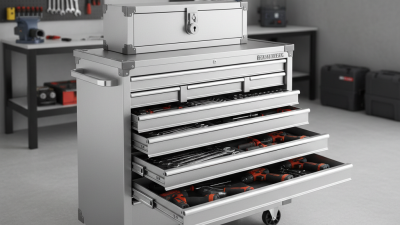
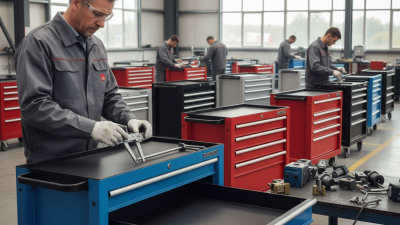
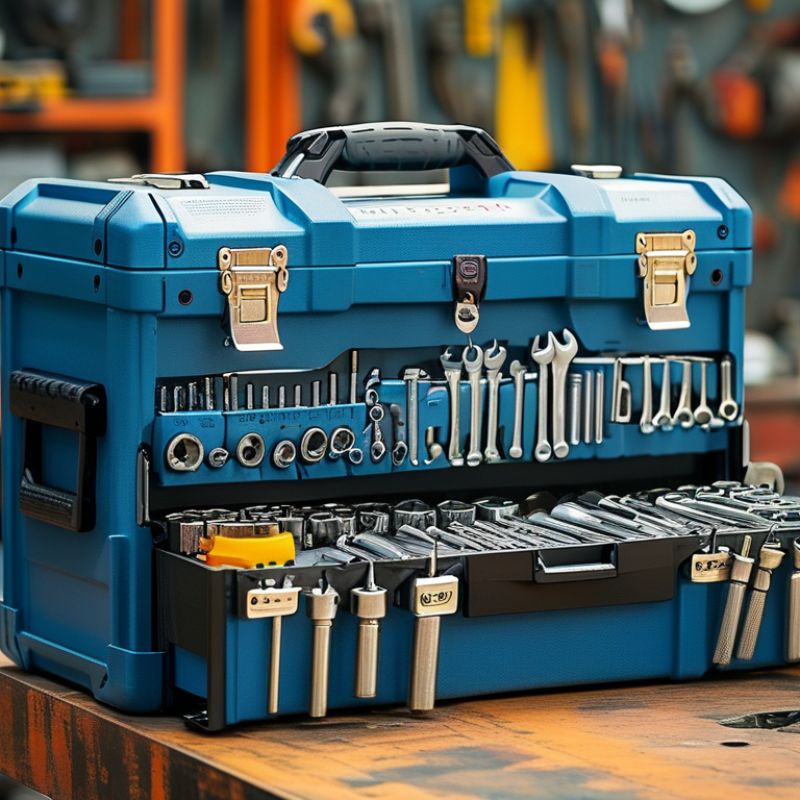
Hey there! In the fast-changing world of auto repair, the way we think about the Mechanic Tool Box has really taken a front seat. Professionals are always on the lookout for more efficient solutions, and industry veteran John Steel from Steel Gear Tools perfectly nails this when he says, “The right tool box can totally change the game for a mechanic.” His words really strike a chord, especially since more and more people around the world are chasing after innovation and practicality.
Nowadays, mechanics aren’t just after a box that simply holds their tools—they want something that makes their workflow smoother. Features like modular storage setups and mobile, easy-to-carry designs are popping up and reshaping what a mechanic’s toolbox can be. Plus, there's a real push for durability and lightweight materials because, let’s face it, no one wants to lug around a heavy toolbox. But here’s the tricky part—striking the right balance between size and functionality can be a bit of a headache. Many mechanics still find themselves overwhelmed by all the options out there.
As new trends keep emerging, the need for a reliable, versatile mechanic toolbox stays super important. It’s not just about tools; it’s a part of a mechanic’s identity and an indicator of their professionalism. Keeping up with these trends is key for global buyers trying to make smart investments. In the end, practical, adaptable gear seems to be what everyone’s after—especially in this ever-evolving market.
Emerging Trends in Mechanic Tool Boxes for Global Buyers
The market for mechanic tool boxes is evolving rapidly. Buyers today prioritize durability and organization. Many are opting for tool boxes with customizable compartments. This allows for efficient storage and easy access to tools. Enhanced mobility features are also popular, making it easier to transport heavy tools. A sturdy handle and smooth-rolling wheels can transform the user experience significantly.
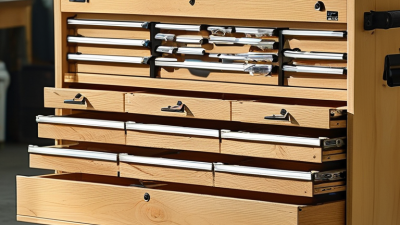
Many users seek eco-friendly materials in their tool boxes. These materials not only reduce environmental impact but can also improve overall quality. Some options are lightweight yet strong, providing both practicality and sustainability. Users are encouraged to reflect on their space and needs before purchasing. A well-planned selection can lead to better organization and productivity.
Consider the size of the tool box. It should fit within your workspace while still allowing for growth. Additionally, investing in a tool box that can withstand rough conditions pays off. Check for features like water resistance and rust-proof finishes. The right choice can help you maintain your tools longer.
Key Features Driving Mechanic Tool Box Sales Worldwide
The mechanic tool box market is evolving. Buyers today prioritize features that enhance usability and efficiency. A recent report indicates that ergonomic designs have become pivotal. Tools that fit comfortably in hands reduce fatigue. This is crucial for professionals working long hours. Research shows that 75% of users prefer tool boxes with soft-grip handles.
Storage and organization play a significant role in purchasing decisions. Mechanic Tool Box Sets with customizable compartments allow users to adapt to their unique needs. An industry survey revealed that 68% of buyers find adjustable tool arrangements essential. Flexibility in organization helps streamline workflows. Buyers increasingly seek durability, with reports stating that 80% prefer tool boxes made from high-quality materials.
Connectivity features are another growing trend. Smart technology integration enhances functionality. Devices that track tool usage or notify users of maintenance needs draw interest. Industry analysts project a 15% increase in demand for tech-enhanced toolbox solutions. Buyers appreciate these features but may value simplicity more. As buyers navigate these innovations, balancing advanced tech with basic functionality remains a challenge. The right mechanic tool box set empowers users to optimize their productivity.
Innovative Designs in Mechanic Tool Boxes for Modern Mechanics
The world of mechanic tool boxes is evolving. Modern mechanics seek innovative designs that enhance functionality and efficiency. A new trend is modular tool storage. Mechanics want flexibility. Tool boxes that can be customized allow users to organize tools based on their specific needs. This adaptability saves time and effort.
Ergonomics play a significant role in current designs. Tool boxes now prioritize ease of use. Features like anti-slip bases and retractable handles improve user experience. However, not every design perfectly balances functionality with durability. Some might struggle under heavy use, leading to wear and tear.
Another exciting trend is the integration of technology. Smart tool boxes with built-in sensors help track inventory and usage patterns. These innovations aim to streamline workflow. But there are challenges as well. Reliance on technology can create frustration when devices malfunction or battery life runs low. Balancing tech advancements with reliability remains a critical consideration for many mechanics.
Sustainability and Eco-Friendly Materials in Tool Box Manufacturing
The trend of using sustainable and eco-friendly materials in tool box manufacturing is gaining momentum. As consumers become more environmentally conscious, manufacturers are responding. They are beginning to source materials that minimize environmental impact. This shift is not only beneficial for the planet but also appeals to a growing market segment. Using biodegradable plastics and recycled metals in the construction of a Mobile Mechanic Tool Box can significantly lower the carbon footprint.
Incorporating these eco-friendly materials comes with challenges. Many manufacturers find it difficult to maintain quality while also prioritizing sustainability. The transition may lead to higher production costs, which can be a concern for both companies and consumers. Yet, the collaborative effort between suppliers and manufacturers can foster innovation. Such partnerships can enhance product durability, ensuring the mobile mechanic tool box remains reliable and effective even with greener materials.
Still, there are many questions to consider. Will consumers sacrifice traditional features for sustainability? Can the industry meet the demand without compromising excellence? Transitioning to more sustainable practices in tool box production is complex but essential. As the focus shifts, the global purchasing landscape is set to evolve, potentially redefining standards for tool boxes everywhere.
Top Mechanic Tool Box Trends for Global Purchasers
Technological Advancements Enhancing Tool Box Functionality
Technological advancements are reshaping mechanic tool boxes. Modern designs integrate smart features, increasing efficiency and functionality. Connectivity options are becoming standard, allowing users to track tools and inventory via mobile apps.
Smart tool boxes provide reminders for equipment maintenance. This prevents breakdowns and ensures tools are always operational. Automated organization features help users find tools quickly. Visual indicators and labeling systems make it easier to maintain the workspace.
A helpful strategy is to regularly evaluate your tools and their condition. Consider investing in tool boxes that offer digital inventory management. Reflecting on tool usage can lead to smarter purchases. Embracing these advancements can significantly enhance productivity in any mechanic's routine.
Global Market Preferences for Mechanic Tool Box Customization
Customization in mechanic tool boxes is gaining traction among global purchasers. A recent report from the International Association of Tool Manufacturers highlights a 30% increase in demand for personalized tool solutions. This trend reflects a growing preference for tool boxes that align with specific user needs and workspace environments.
Design elements play a significant role in customization. Purchasers favor options like modular systems for flexibility and organization. Colors and finishes are also important; about 40% of buyers are willing to pay extra for aesthetic enhancements. However, the challenge lies in balancing functionality and style. It is crucial that these added features do not compromise the usability of the Mechanic Trolley Tool Box.
Moreover, sustainability is becoming a vital aspect of customization. Many consumers are aware of environmental impacts. Reports suggest that 25% of buyers prioritize eco-friendly materials. However, finding affordable green options can be complicated. The market must adapt, but how? As businesses explore these areas, they must continuously reflect on consumer needs and industry standards. Balancing personalization with practicality remains key in this evolving landscape.
Impact of Digital Tools on Mechanic Tool Box Purchasing Decisions
Digital tools are transforming the way purchasers approach mechanic tool boxes. Data from industry reports show that over 70% of buyers rely on online research before making decisions. This shift towards digital is reshaping the market landscape. Virtual demonstrations and video tutorials help users understand features deeply. This trend makes it easier for consumers to compare options, ensuring smart investments.
Additionally, the emergence of mobile apps allows for real-time inventory checks. Mechanics find it easier to locate specific tools without visiting multiple stores. Purchasers can save time and costs through informed online purchases. A noticeable reflection is the gap between traditional shopping and today's digital capabilities. Some may struggle with maximizing these tools.
Mechanic Tool Box Portable options are now frequently searched online, driven by convenience. Essential tips include analyzing product reviews and focusing on user recommendations. Gathering insights can significantly influence purchasing decisions. Always consider warranty policies; they reflect the manufacturer’s confidence in their product. Such insights empower buyers to make better choices in their mechanic tool box investments.
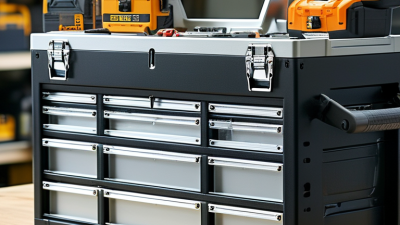
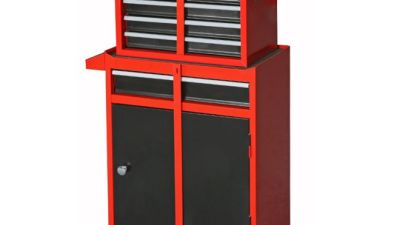
Optimizing Your Workspace: The Benefits of a Versatile 20 5-Drawer Tool Chest & Cabinet Combo for Efficient Tool Storage
In today's fast-paced environment, optimizing your workspace is crucial for enhancing productivity and efficiency. A versatile 20 5-drawer tool chest and cabinet combo serves as an essential solution for organized tool storage. According to recent industry reports, over 70% of professionals highlight the importance of a well-organized workspace, noting that it significantly contributes to improved workflow and reduced time spent searching for tools. Our expertly designed tool storage unit not only maximizes space but also ensures high mobility, making it an ideal choice for various work environments, from professional workshops to home garages.
The durability and practicality of our tool chest and cabinet combo are reflected in our commitment to quality. Manufactured by trusted suppliers, this storage solution is built to withstand the rigors of everyday use while keeping tools secure and accessible. Recent studies indicate that organized workspaces can lead to a 25% increase in efficiency, a compelling reason for investing in high-quality storage solutions. By implementing an organized system with our tool storage options, users can create a more focused work area, ultimately contributing to their overall success and satisfaction. Experience the transformative benefits of a well-structured environment; it's more than just storage—it's an investment in your productivity.
FAQS
: Sustainable and eco-friendly materials, such as biodegradable plastics and recycled metals, are gaining popularity.
It minimizes environmental impact and meets the demands of environmentally conscious consumers.
Yes, maintaining quality while prioritizing sustainability can be difficult and may lead to higher production costs.
Customization allows for personalization that meets specific user needs, enhancing overall satisfaction.
Consumers prefer modular systems, color options, and finishes that enhance both functionality and aesthetics.
Absolutely, many consumers prioritize eco-friendly materials, pushing the market to adapt.
Yes, it’s crucial that enhanced features do not compromise the functionality of the tool box.
The global purchasing landscape is shifting as consumers increasingly demand sustainability and customization.
About 40% of buyers are open to paying extra for improved aesthetics in tool boxes.
Companies need to reflect on consumer needs and balance personalization with practicality.
Conclusion
The article titled "Top Mechanic Tool Box Trends for Global Purchasers Today" explores the latest trends shaping the market for mechanic tool boxes. It highlights emerging trends that cater to the evolving needs of modern mechanics, emphasizing key features that drive global sales. Innovative designs are becoming increasingly important, offering enhanced functionality and user experience. Additionally, the focus on sustainability is evident as manufacturers adopt eco-friendly materials in the production of mechanic tool boxes.
Technological advancements are also identified as a significant factor in the market, with features that enhance usability and efficiency gaining popularity among buyers. Customization options are increasingly sought after, allowing users to tailor their mechanic tool boxes to specific preferences. Finally, the impact of digital tools on purchasing decisions demonstrates the shift towards a more informed and connected buyer, shaping the future of mechanic tool box sales worldwide.