


The Complete Guide to Home Garage and Workshop Tool Storage
A well-organized tool area can make everyday repairs, weekend DIY projects, and workshop tasks much easier. Whether you are maintaining a car, building furniture, taking care of the garden, or simply handling repairs around the house, the right tool storage helps you find what you need without wasting time.
For most homeowners and workshop users, the best solution is not an oversized storage system designed for demanding factory environments. It is a practical, well-planned combination of a tool chest, tool cabinet, tool box, or tool cart that fits the available space and matches the tools you actually use. This guide explains how to choose and arrange home-use tool storage, with examples from the product range offered by JF Tools, a brand of Changzhou City Hongfei Metalwork Corporation.
1. Why Good Tool Storage Matters at Home
Tool organization is more than a way to make a garage look tidy. It protects your tools, improves access, and makes small projects easier to start and finish.
Reduce Time Spent Looking for Tools
When screwdrivers, sockets, pliers, and measuring tools are kept in different boxes, even a simple repair can become frustrating. A drawer-based tool chest gives each group of tools a clear place. You can arrange drawers by function, such as hand tools, fasteners, electrical accessories, automotive tools, or garden equipment.
This simple system creates a more comfortable working routine. Instead of emptying a large box onto the floor, you can open one drawer and quickly identify the tool you need.
Protect Tools from Everyday Damage
Tools can become scratched, dusty, or difficult to find when they are stored in loose piles. A covered tool chest or cabinet helps keep equipment together and reduces exposure to dust in the garage or workshop. Drawer liners and small dividers can provide additional protection and prevent tools from moving around when a drawer is opened.
Make the Garage Safer and More Comfortable
A clear floor is useful in every home garage. Loose tools can become trip hazards, while sharp or heavy items should be kept away from children and pets. A lockable tool chest, cabinet, or box provides a more secure storage location and helps keep the working area under control.
2. Choose the Right Type of Home Tool Storage
The best product depends on the size of your tool collection, the layout of your garage, and whether you need to move your tools from one place to another.
Use a Tool Chest for Everyday Hand Tools
A tool chest is a practical starting point for homeowners and DIY users. It is suitable for organizing screwdrivers, wrenches, sockets, pliers, utility knives, and other frequently used hand tools. JF Tools offers tool chests in several sizes, including 17-inch, 26-inch, 27-inch, and 42-inch options, allowing users to select a format that suits their available space.
A compact chest can fit on a workbench or shelf. A larger model may be a better choice for a growing tool collection or a shared family workshop.
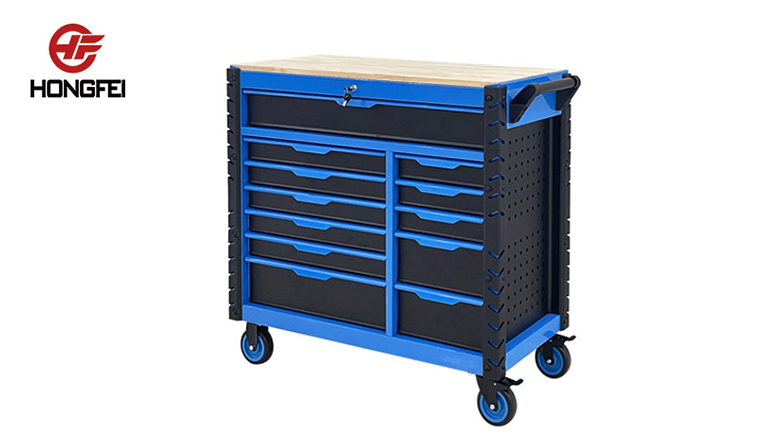
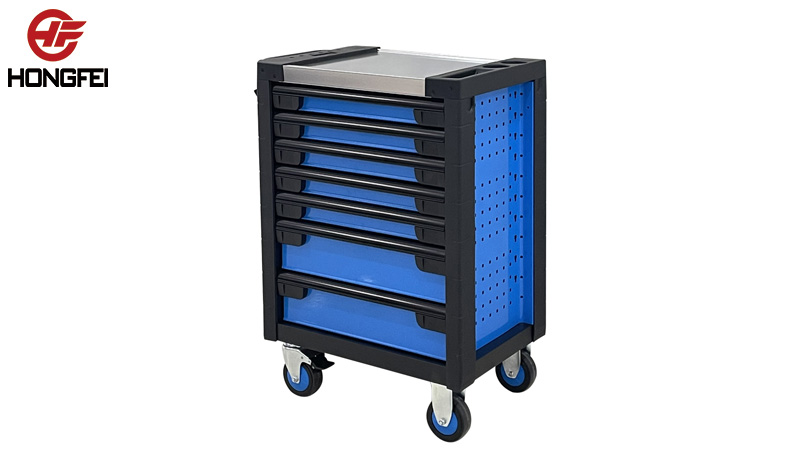
Select a Tool Cabinet for More Storage Space
A tool cabinet is useful when a tool chest is no longer large enough. Its drawer layout makes it easier to separate different categories of equipment, while the larger structure can accommodate a wider selection of hand tools and accessories.
Before choosing a cabinet, measure the area where it will be placed. Remember to leave enough room to open the drawers fully and move safely around the unit.
Choose a Tool Cart When Mobility Is Important
A tool cart is a good choice for users who work in different areas of a garage, workshop, or driveway. You can keep frequently used tools in the cart and move them closer to the vehicle, workbench, or project area when needed.
Check the Working Area Before Buying a Cart
Measure doorways, floor transitions, and the distance between the storage area and your usual work location. A cart that fits comfortably through the garage layout will be much more useful than one that remains in a corner because it is difficult to move.
Use a Tool Box for Portable Projects
A portable or cantilever tool box is convenient when tools need to travel between rooms, vehicles, or different project locations. It is especially suitable for a small repair kit, occasional maintenance, or tools that are used away from the main storage area.
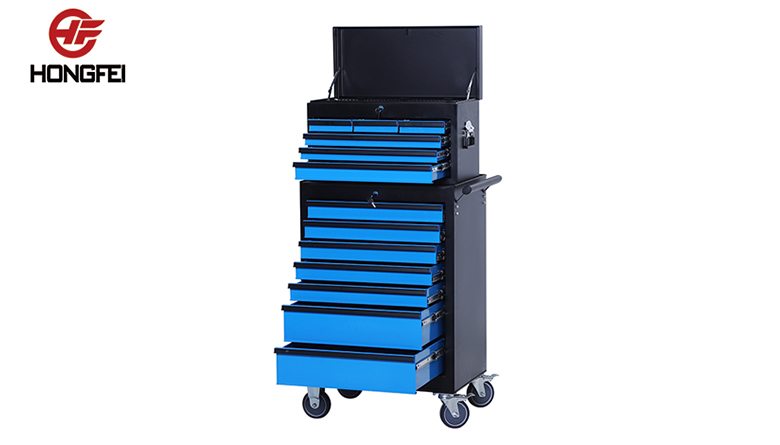
Combine a Top Chest with a Cabinet
A tool chest and cabinet combo creates a flexible storage setup. The top section can hold smaller, frequently used hand tools, while the lower section offers additional drawers for larger or less frequently used items. This arrangement makes it possible to expand storage as your collection grows.
3. Plan Your Garage or Workshop Storage Step by Step
Good organization starts with the space, not the product. Follow these steps before placing an order.
Measure the Available Space
Record the width, depth, and height of the storage area. Check the position of doors, windows, electrical outlets, shelves, and vehicles. For a cabinet or cart, also consider drawer clearance and walking space.
Sort Tools by Use
Place everyday tools in the easiest-to-reach drawers. Store seasonal tools, spare parts, and less frequently used equipment in lower or side storage. Grouping tools by task can be more useful than grouping them only by shape.
A Simple Drawer Arrangement
- Top drawer: screwdrivers, pliers, measuring tools, and small accessories
- Middle drawers: wrenches, sockets, ratchets, and hand tools
- Lower drawers: power-tool accessories, larger tools, and maintenance supplies
- Side cabinet or box: items that need separate storage or occasional access
Leave Room for Future Additions
Many tool collections grow gradually. Avoid filling every drawer with a single layer of tools on the first day. Leave some space for new accessories, replacement parts, and tools that you may purchase for future projects.
Keep Frequently Used Tools Visible and Accessible
A storage system works best when it matches your habits. If you use a tape measure, screwdriver, or socket set every week, place it in an easy-to-reach drawer. If a tool is difficult to access, it is more likely to be left on the workbench or floor after use.
4. Compare Common Home Storage Options
|
Storage option |
Best for |
Main advantage |
Points to consider |
|
Plastic storage box |
Small tool collections and occasional repairs |
Lightweight and easy to carry |
Limited organization as the collection grows |
|
Portable tool box |
Moving a selected group of tools |
Convenient for different project locations |
Usually has less drawer space |
|
Tool chest |
Hand tools and regular DIY work |
Clear drawer-based organization |
Requires a stable storage surface or matching base |
|
Tool cabinet |
Larger home collections and workshop use |
More storage capacity and separation |
Needs careful space measurement |
|
Tool cart |
Projects in different areas |
Easy to move around the work area |
The route and floor surface should be checked |
|
Chest and cabinet combo |
Expanding tool collections |
Combines compact access with additional storage |
Choose a size that fits the available room |
5. What to Look for When Choosing a Tool Chest or Cabinet
Match the Size to Your Tools
A larger product is not automatically better. A compact tool chest may be ideal for a homeowner who keeps a small repair kit, while a cabinet or combo unit may suit someone who works on vehicles or maintains a larger workshop. Use your current tool collection and planned projects as the starting point.
Consider Drawer Access and Layout
Drawers should be arranged around the way you work. Wide drawers can be useful for larger hand tools, while smaller drawers help separate sockets, bits, fasteners, and accessories. Check the product description for the available drawer configuration before making a decision.
Look at Mobility and Stability
If you need to move tools, choose a cart or cabinet with suitable casters. If the unit will remain in one location, stability and convenient drawer access may be more important than mobility. Always use wheel brakes or other provided safety features when working with a mobile unit.
Choose a Finish That Suits the Garage
A clean, durable finish is practical for a home workshop because it is easier to wipe down after a project. The appearance also matters: a coordinated tool storage setup can make a garage feel more like a planned workspace and less like a collection of scattered boxes.
Check Locking and Safety Features
If children, guests, or other family members share the home, a lockable storage option can provide extra peace of mind. For taller cabinets or stacked storage, follow the manufacturer's assembly and placement instructions carefully, and keep the unit on a stable surface.
6. How JF Tools Fits Home and Workshop Use
Since 1996, Hongfei has focused on tool storage and metalwork. The company's product range includes tool chests, tool cabinets, tool boxes, tool carts, and tool chest and cabinet combinations. These options give homeowners, DIY users, and workshop operators different ways to organize tools according to their space and routine.
JF Tools also describes its production process as covering cutting, punching, bending, spot welding, painting, packing, and warehousing. This end-to-end manufacturing experience supports a practical approach to tool storage: products should be easy to use, easy to organize, and suitable for real working environments.
Instead of choosing storage based only on appearance, consider the type of tools you own, where you work, and how often you need to move or secure them. The right combination can make a home garage or everyday workshop more efficient without taking over the entire space.
7. Frequently Asked Questions About Home Tool Storage
What is the best tool storage for a home garage?
The best option depends on your tool collection and available space. A tool chest is a good starting point for hand tools, while a tool cabinet or chest-and-cabinet combo is better for a larger collection. Choose a tool cart if you regularly move tools around the garage or driveway.
Is a tool chest better than a portable tool box?
They serve different purposes. A portable tool box is convenient for carrying a selected set of tools. A tool chest provides more organized drawer storage and is usually more suitable for a permanent home workshop.
How can I organize a tool cabinet efficiently?
Group tools by task or frequency of use. Keep everyday hand tools in upper drawers, larger tools in lower drawers, and small accessories in divided compartments. Labeling drawers can also help family members return tools to the correct place.
Do I need a tool cart for a small garage?
Not always. A compact cart can be useful if you work in different areas, but a tool chest may be more space-efficient when most projects take place at one workbench. Measure the garage first and consider how often you need mobility.
How do I keep tools from sliding inside drawers?
Use non-slip drawer liners and separate small items with dividers or trays. Returning each tool to its assigned location after use will also help maintain the system.
Can home tool storage be used in a regular workshop?
Yes. Tool chests, cabinets, boxes, and carts can suit both home garages and everyday workshops. The most important factors are the storage capacity, layout, mobility, and features required for your particular tasks.
Conclusion
Effective tool storage should fit the way you live and work. For homeowners, DIY enthusiasts, and everyday workshop users, a well-chosen tool chest, cabinet, tool box, or cart can protect equipment, reduce clutter, and make every project more enjoyable.
Start by measuring your space, sorting your tools, and deciding whether you need portability, additional drawers, or a lockable storage solution. Then explore the home and workshop tool storage options from JF Tools, including tool chests, tool cabinets, tool boxes, tool carts, and tool chest and cabinet combos.
With the right layout and the right storage products, a crowded garage can become a cleaner, safer, and more enjoyable place to work.